
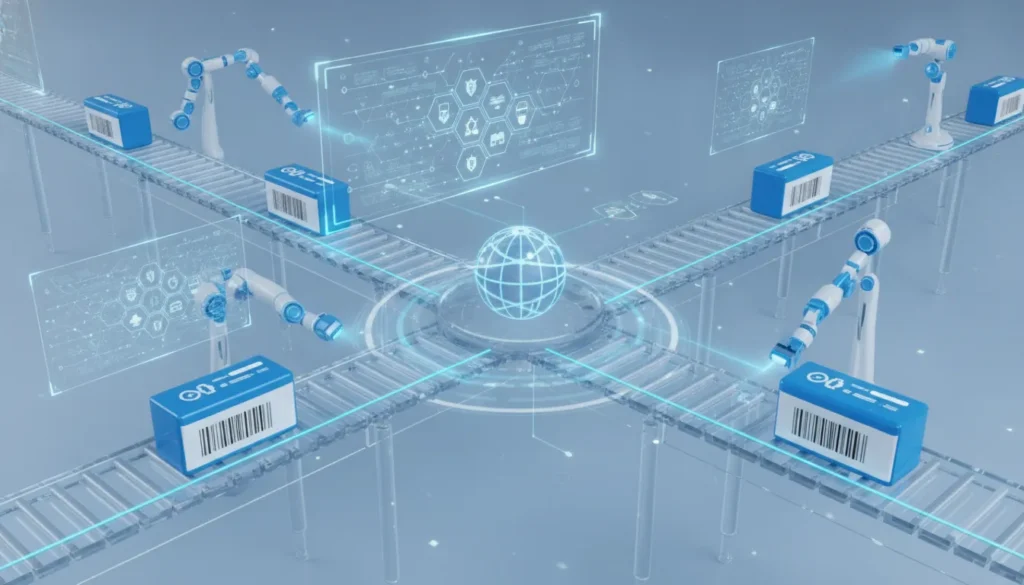
Federal law now requires every pharmacy to trace prescription drugs down to the individual package. For specialty pharmacies and micro-distributors, these mandates create complex data challenges that go beyond simple inventory tracking. RxERP supports pharmaceutical supply chain organizations with workflows built for these operational realities.
Ready to simplify DSCSA compliance? Schedule a Demo with RxERP.
dscsa pharmacy requirements mandate that dispensers confirm the status of trading partners and keep tracing data for six years. According to the FDA, pharmacies must also use systems to find and report suspect products. This includes a shift to electronic tools that track drugs at the package level. Some small dispensers with 25 or fewer staff may get more time through 2026, but the duty to verify serial numbers stays. For specialty pharmacies and micro-distributors, this requires moving from paper to digital logs. These tools must link inventory data with compliance steps to keep shipments moving safely. Adopting these systems makes recalls faster and helps prevent harmful drugs from entering the supply chain.
Specialty pharmacies and micro-distributors must align daily receiving, verification, exception, and recordkeeping workflows with these federal standards. The core requirements begin with authorized trading partners, package-level identifiers, electronic tracing data, six-year record retention, and documented suspect-product procedures.
What are the core DSCSA pharmacy requirements?
The Drug Supply Chain Security Act (DSCSA) aims to protect the drug supply chain. It creates a clear path to trace prescription drugs from the maker to the patient. This law helps find and stop fake or stolen drugs. For specialty pharmacy distribution teams sites, the rules are strict. Your team must know these rules to stay in business and keep patients safe.
Authorized partners and product IDs
One core rule is that you must only work with authorized trading partners. This group includes makers, wholesale distributors, and other pharmacies. Before you trade, you must check that your partner is licensed. This step ensures that every link in your chain is known and vetted. It stops illegal goods from getting into your stock.
Every bottle must also carry a unique product identifier. This is usually a 2D barcode that your team can scan. It holds the serial number, lot number, and expiration date. These DSCSA serialization requirements allow for tracking at the package level. The FDA set up this system to enable a rapid response to any threats. If a scan fails, it might signal a major risk to your patients.
Electronic tracing and data storage
In late 2024, the law shifted to a fully digital system. You must now use digital tools to share data with your partners. This system must be interoperable, which means your software must talk to other systems. Paper records are no longer enough for daily tracing. This change helps speed up the flow of data and cuts down on human errors. It also makes it easier to track products through the whole supply chain.
You must also keep your tracing data for at least six years. This rule applies to every transaction your pharmacy makes. You can store these records in paper or digital form, but digital is much safer. Good recordkeeping is a must for audits and helps in these areas:
- Tracking products during a recall.
- Proving your team follows federal law.
- Finding the history of a specific bottle.
- Staying ready for state inspections.
Having this data ready saves time and reduces your risk during a crisis. It ensures you can act fast when a maker finds a flaw in their batch. Proper storage ensures you can find the history of any bottle if a problem arises. It also helps your team stay ready for any changes in the law.
Handling suspect and fake products
If you think a drug is fake, stolen, or tainted, you must treat it as a suspect product. Your team needs a plan to find these items fast. You must quarantine any suspect product right away. This keeps it away from patients while you run a check. You will need to check the product ID and look for signs of tampering or bad labels.
If the item is found to be bad, you must notify the FDA. You also need to tell your trading partners so they can check their own stock. These enhanced systems improve how we find and remove bad drugs. This process is key to a clean supply chain. It helps specialty pharmacies build trust with their customers and the public.
How to build a practical DSCSA compliance workflow
A practical DSCSA compliance workflow verifies each trading partner, receives interoperable electronic tracing data, matches physical packages to serialized records, resolves exceptions, quarantines suspect product, and retains searchable records for six years.
Setting up a strong plan for compliance takes time and care. You must look at every part of your supply chain to find gaps and fix them. A good workflow helps you meet federal rules while keeping your daily tasks on track. It starts with knowing what you have and who you work with to buy it.
Scope your products and partners
You must first find out which items in your stock must follow federal rules. Most prescription drugs in their final form fall under the law (F004). But some items, like compounded drugs or animal drugs, do not (F004). You should also check that every vendor has a valid license. These the DSCSA framework mean you can only work with approved trading partners (F002).
Set up your electronic systems
The law now requires a fully electronic system to track drugs (F005). You must use a tool called EPCIS to swap data with your suppliers for every package. This tool helps you see the path of a drug from the maker to your shelf. Your system must also keep these records safe for six years (F009). An expert tool can help you manage DSCSA serialization requirements without slowing down your work.
Train your staff and prep for audits
Your team needs a clear guide on how to handle shipments. Write down your rules so every tech knows how to scan codes and check for errors. You also need a plan for when things go wrong, like if a serial number is missing. The FDA expects pharmacies to find and report illegitimate products quickly (F010).
Being ready for an audit means you can find data quickly. If a state board or federal agent visits, you must show proof of where your drugs came from. You should keep these records for six years to stay safe (F009). Storing data in a digital way is much better than using paper files. It lets you search for a lot number or serial code in a few seconds.

Need one system for serialized tracking and exception management? See how RxERP connects DSCSA workflows.
- List every prescription drug in your stock to see which ones require tracking.
- Check the licenses of all makers and wholesalers to confirm they are approved partners.
- Set up an EPCIS data link to receive electronic tracking files from your suppliers.
- Write clear rules that cover every step of receiving, scanning, and storing shipment data.
- Build an exception plan to resolve issues like missing data or broken barcodes.
- Teach your staff how to use the scanning tools and how to report suspicious items.
- Test your audit readiness by trying to pull tracing data for a random item in your stock.
Why specialty pharmacies and micro-distributors face added complexity
RxERP supports pharmaceutical supply-chain organizations with role-specific workflows for complex trading relationships. Specialty pharmacies and micro-distributors do more than just fill orders. They often handle rare drugs and complex patient care. This work adds many layers of risk to their daily flow. Meeting the DSCSA pharmacy requirements is a main goal for these teams.
These firms must track every unit from the maker to the patient while keeping their costs low. Handling this data without a big staff is a hard task for any small shop. They must prove that the meds they sell are safe and real. This is vital.
Balancing mixed roles and trade rules
Many small firms in this niche play two roles at once. They may act as a retail pharmacy while also shipping bulk meds to other clinics. This “mixed role” setup means they must follow rules for both dispensers and wholesalers. They need to prove that every firm they buy from or sell to is an authorized trading partner.
Under the law, the FDA requires tracing for most prescription drugs to keep the supply chain safe. Staying on top of these dual duties takes a lot of time and very clear records. These firms also deal with complex drug types that need special care.
Some meds must stay cold or move fast to stay safe. If the data for these items is wrong, the firm cannot sell them. This link between the box and the data is where most errors happen. A small team might spend hours each week just fixing typos.
Managing virtual stock and drop shipments
Drop shipments and virtual stock create another hurdle for small teams. In a virtual sale, a firm sells a product but never stores it in their own space. Even if they never touch the box, they must still answer for the data that goes with it. The tracking data must move as fast as the med itself.
This creates a big “data gap” for firms that still use old tools or paper logs. Using modern tools for specialty pharmacies inventory management helps keep this data in sync. When a firm does not see the box, they must trust their partners even more. They need a way to check that the med is real and clean.
Resource gaps and the 2026 deadline
If a partner sends bad data, the specialty pharmacy faces the risk. This makes it vital to have a system that checks every serial number in real-time. Without this, a micro-distributor could ship a suspect item by mistake. That kind of error can lead to big fines or a lost license.
Limited staff is the biggest challenge for most micro-distributor operations groups. Most of these shops do not have a full IT team or a room full of clerks. One or two people often handle shipping, sales, and all the paperwork. This makes the new digital rules feel like a heavy weight.
While the compliance deadline for small firms is in 2026, the work to get ready starts now. The FDA allows firms with 25 or fewer staff to ask for more time to meet the rules. This pass gives them a chance to find the right software and train their staff. Starting early helps these small teams stay in the game.
What does the small dispenser exemption change?
The Drug Supply Chain Security Act (DSCSA) sets strict rules for how drugs move through the supply chain. While these rules apply to all, the FDA knows that smaller shops face unique tasks. To help, they created a special path for small dispensers. This path offers more time to set up new tech and workflows. But it is not a total pass from the law. You must know if you qualify and what you still need to do to stay safe. Clear planning now can help you avoid a rush as the new dates get closer.
How the FDA defines a small dispenser
The FDA defines a small dispenser based on the number of workers in a pharmacy. To meet this mark, a shop or group of shops must have 25 or fewer full-time staff. This count includes all licensed pharmacists and pharmacy techs. The FDA looks at how many people you had on your team as of November 27, 2024. If your team is this size or smaller, you may qualify for the shift in dates. Large shops with 26 or more workers do not get this extra time. They must meet the full pharmacy product-tracing duties right now.
It is vital to check your staff count across all your sites. If you own three shops with ten workers each, you have 30 workers in total. In that case, you would not count as a small dispenser. The FDA looks at the whole group under common owner control. Knowing where you stand is the first step in your plan. If you miss this mark, you must have your electronic systems ready to go today.
The 2026 deadline for small pharmacies
For shops that qualify, the deadline to move to full electronic data is now November 27, 2026. This gives small teams two extra years to get their tech in order. It helps ease the load for small pharmaceutical distributors teams. But this relief is not given to every small shop by default. You must file a formal application with the FDA to get the exemption. If you do not apply, or if your request is not approved, the standard dates still apply to you. You cannot just wait and hope for the best.
This extra time is meant to be a bridge, not a long-term fix. By late 2026, the FDA expects every shop to be part of the electronic track and trace system. This means you must be able to send and get drug data in a digital way. The goal is to make the drug supply chain safer for everyone. Using this extra time to find a solid partner can make the shift much easier for your team. It also helps you avoid the risk of fines or lost shipments later on.
| Feature | Standard Dispenser | Small Dispenser (with Exemption) |
|---|---|---|
| Staff Size | 26 or more people | 25 or fewer people |
| Digital Data Date | November 27, 2024 | November 27, 2026 |
| Needs Application | No | Yes |
| Data Storage | 6 years | 6 years |
| Partner Checks | Required now | Required now |
Why you should prepare now
Even with more time, you should not wait to start your move. Setting up a new system takes care and time. Many shops try to use a mix of old tools and paper logs to get by. This often leads to more work and a higher risk of errors. A unified pharma ERP can help you keep all your data in one safe place. It also makes it easier to meet the FDA’s product tracing requirements without the daily stress of paper logs.
Starting early also helps you find the right tech fit for your shop. You can test new tools and train your staff without a rush. This helps keep your business running smoothly while you make the change. You should check the latest FDA guides to make sure you meet all rules. Remember that you still must check that your trading partners are authorized. You must also keep all your drug data for six years. Getting these habits in place now will save you from a major headache in 2026.
How should pharmacies handle suspect products?
When a pharmacy identifies a suspect product, it should immediately quarantine the package, investigate its product identifier and tracing history, verify findings with trading partners, report an illegitimate product to the FDA and affected partners, and retain the investigation record.
Pharmacies play a key role in finding and stopping bad drugs. Under the DSCSA compliance responsibilities, you must have a plan to deal with suspect and illegitimate items. A suspect product is one you think may be fake, stolen, or unfit for use. Handling these items fast is vital to keep your shop safe and your patients healthy.
Find and quarantine suspect items
The first step is to spot issues when you receive or store goods. Look for signs of tampering or labels that do not look right. If you find a suspect item, pull it from your stock right away. Place the product in a secure, marked area. This stops anyone from using or selling it by mistake. This step is a core part of specialty pharmacies inventory management.
While the item is set aside, you must start a formal check. This includes looking at the tracing data to see where it came from and who handled it. You should also check the code on the pack. Under the law, firms must use these codes to verify the item is real. This helps ensure that the DSCSA nationwide system stays strong and secure.
Verify and report the findings
Your team must find out if the product is truly bad. This often means calling the maker or the wholesaler. They can help you check the serial number and lot data. If you find the product is bad, you must tell the FDA and your partners within 24 hours. Use the FDA Form 3911 to report the issue as required by law.
You must also keep clear records of your search and the final result. Keep these files for at least six years. This is part of your work for the DSCSA compliance deadline. If the product is found to be safe, you can move it back to your stock. But if it is bad, you must work with the maker to get rid of it. Good records show your pharmacy is ready to handle supply chain risks.
How a unified pharma ERP supports DSCSA readiness
The Drug Supply Chain Security Act (DSCSA) of 2013 created a national path for federal drug-tracing requirements to protect the supply chain. A pharma-native ERP helps you manage these rules by linking your daily work to compliance data. It acts as a single hub where tracking, stock, and partner data meet. This helps you keep a clear view of your drugs from the time they arrive until you dispense them.
Connecting tracking and stock
Modern ERP systems connect serial data with your inventory. This link lets you see exactly where each bottle or box is in your facility. When a shipment arrives, the system checks the electronic data against the physical product. This automated check helps you find suspect products early. By using a single system, you avoid the errors that happen when you move data between different tools.
Real-time data is now a key part of the law. As of late 2024, the law requires electronic systems to track drugs at the package level across the supply chain. You can read more about these electronic tracking mandates from industry experts. A unified tool makes sure your staff sees the same data at every step. This helps your team work faster while keeping your records safe and ready for review.
Managing trading partners
You must only work with partners who have the right license. This is a core part of the DSCSA serialization requirements for all dispensers. A unified ERP stores partner details like license numbers and dates. It can block orders from partners whose status is old or missing. This safeguard helps you stay in line with the law without having to check lists by hand every day.
A unified system also helps you with audits and data storage. You must store all tracing data for six years under federal law. Having this data in one ERP means you can find what you need in seconds. This saves time if you have to answer a query or manage a recall. It also makes it easier for micro-distributors and specialty pharmacy teams to handle complex drug loads with fewer staff.
Supporting daily workflows
Compliance should not slow you down. A unified pharma ERP puts DSCSA checks right into your picking and packing flows. When a tech scans a barcode, the system checks it in the background. If the scan does not match the record, the system alerts the user right away. This way, you catch mistakes before they reach the patient.
While software is a great help, it is not a complete fix for every law. You still need clear internal rules and trained staff to meet all FDA product tracing rules and stay safe. A tool is a support, but your team is what makes it work. Using a pharma-native ERP gives your team the best data to make those smart choices every day.
DSCSA readiness checklist for pharmacy leaders
Pharmacy leaders must build a clear path to follow the DSCSA pharmacy requirements to stay safe and compliant. This work goes beyond simple software tools. It needs a full check of your team and partners. You must look at how you share data, find errors, and keep records to meet the law.
Partner and data check
Your first step is to confirm that you only work with authorized trading partners. Each partner in your chain must have a license to move products. You should also check your data for every lot you get. Ensure the data matches the physical items. Using a system for DSCSA serialization requirements helps you find small errors in barcodes or lot numbers. You want to catch these before they become big problems.
Work with your tech and ops teams to test how you send and get data with each vendor. The FDA requires tracing at the package level for drugs. This means your data path must be fast and easy to search. Leaders should set a weekly check to look for gaps in data files. This ensures your team stays in line with the law.
Exception drills and record storage
When you find a suspect product, your team needs a set plan to act fast. Run drills to show how staff should isolate items. This helps you meet the rules for finding and reporting harmful items in the drug supply. These drills prove that your specialty pharmacies inventory management system can handle risks. You can keep drugs safe without slowing down your care for patients.
You must also have a way to get old records fast if an audit occurs. The law says you must keep all product tracing data for six years. You should test your record search twice a year. See how long it takes to pull a full history for one lot. Check that your storage is safe. Ensure you have backups for both paper and electronic files.
Metrics and new growth
Track how well your team handles tasks each month to see where you can improve. Note how many data errors you find and how long it takes to fix them. These facts show you if your team needs more training. It also shows if a partner sends bad data too often. Reviewing these facts helps you stay ready as rules change. It ensures you keep your license to serve your community.
Ready to replace fragmented compliance tools with connected pharma operations? Explore RxERP DSCSA compliance software.
Frequently Asked Questions
What counts as a prescription drug under DSCSA?
The law defines a product as a prescription drug in finished dosage form for a patient. This group includes pills, capsules, and liquids that do not need more work to be used. According to the FDA, the law does not apply to OTC items, animal drugs, or most compounded drugs. Pharmacies must track every eligible bottle to stay in compliance with federal rules.
Can a pharmacy still use paper records for tracing?
As of late 2024, the law requires a fully digital system to track and share drug data. You must use electronic tools like EPCIS to send and receive files for every shipment. While you can keep paper logs for your own use, they no longer meet the federal mark for daily data exchange. The FDA moved to this electronic system to help stop fake drugs more quickly.
How long must a pharmacy store drug tracing data?
Federal law requires every pharmacy to keep tracing records for at least six years. This rule applies to all data you get when you buy drugs and all data you send if you sell them. You can store these files in paper or digital form, but they must be ready for any audit. This long storage period helps the FDA and your team track products during a recall or a safety search.
Do micro-distributors need to check vendor licenses?
Yes, every pharmacy must check that their trading partners are authorized by the state or federal government. This group includes makers, wholesale distributors, and other pharmacies. You must verify these licenses before you trade any drugs. This step is a core part of the DSCSA nationwide system. It ensures that every link in your supply chain is safe and follows the law.
Is there an exemption for very small pharmacies?
Shops with 25 or fewer workers can get more time to meet digital data rules. If the FDA approves your request, you may have until late 2026 to finish your tech move. But you must still follow other parts of the law, like checking partners and storing data. According to ACHC, this delay is meant to help small teams manage the cost and work of the shift.
Ready to fix your DSCSA tracking?
Waiting too long to fix your tracking process can cause big problems for your shop. If you miss the 2026 deadline, you could face large fines or lose your license to ship vital goods. Paper logs are hard to keep up with and often lead to small mistakes that cause huge delays in your supply chain. These errors can stop your team from doing their work and hurt your shop every single day. Starting your shift to a modern path now gives you the time you need to get ready without any stress. You will be able to handle audits with ease and keep your products moving through the chain at a fast pace. Taking action today ensures you stay ahead of the law while keeping your focus on the health of your patients.
Ready to fix your DSCSA tracking? Schedule a demo to keep your pharmacy work running well.