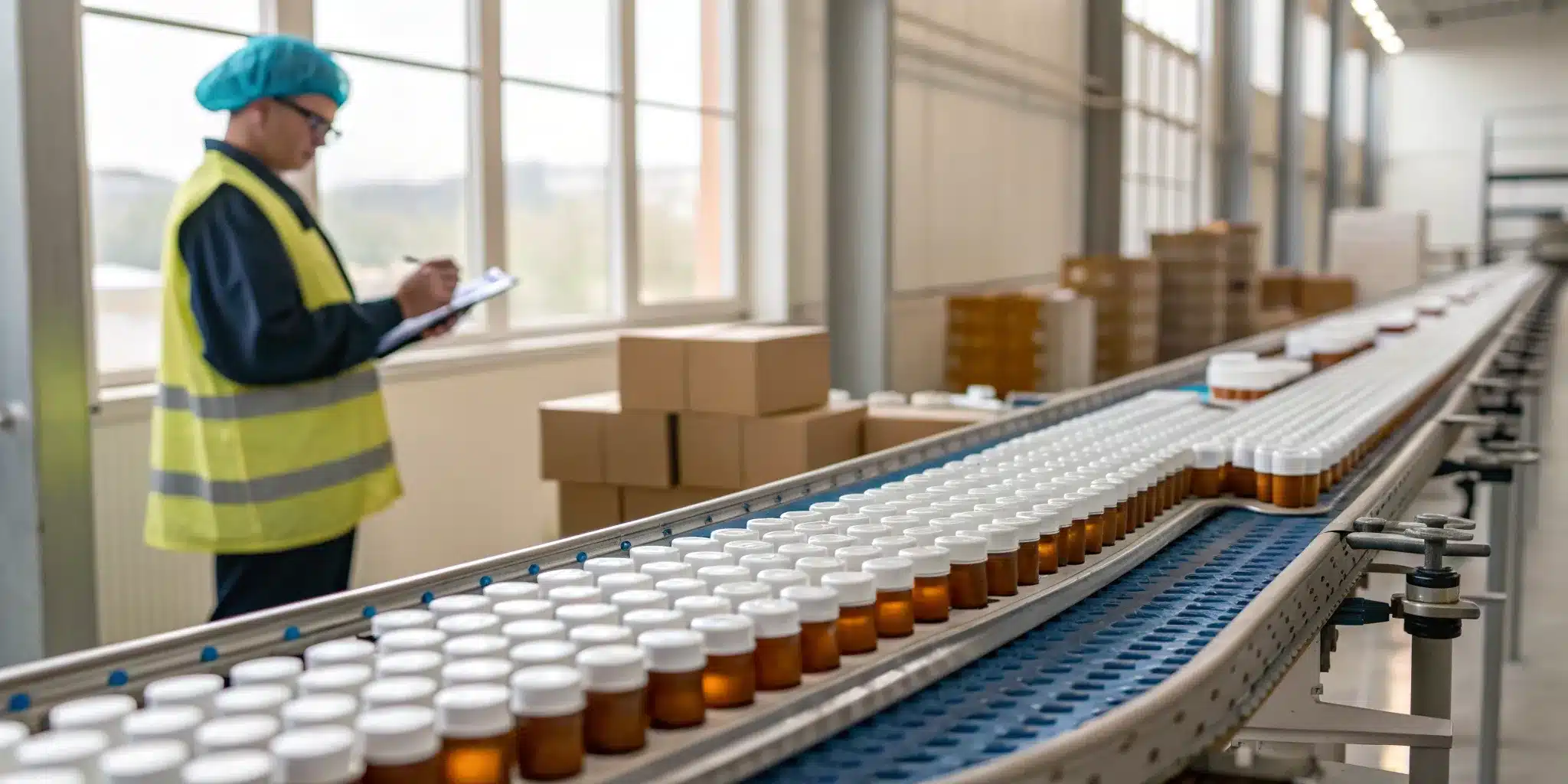
A pharmaceutical product’s journey through the supply chain is like a high-stakes relay race. The product is the baton, passed from one authorized partner to the next—from the manufacturer to the distributor, and finally to the dispenser. Each handoff must be seamless and perfectly documented. A single dropped baton, or a gap in the record, can compromise the entire race. This carefully managed process is the essence of what is drug chain of custody: an unbroken, chronological trail that proves the product’s integrity. It ensures the medicine a patient receives is the exact same one that started the race, untouched and uncompromised.
Key Takeaways
- Treat It as Your Legal Defense: The chain of custody is your primary evidence that a product is authentic and was handled correctly. A complete, unbroken record is essential for proving compliance, defending against liability, and protecting your business from costly penalties.
- Define and Document Every Step: A secure chain of custody relies on clear, repeatable processes. Implement detailed Standard Operating Procedures (SOPs) for every handoff, from personnel access and storage controls to transfers, to ensure consistency and eliminate compliance gaps.
- Use Technology to Enforce Your Rules: Manual tracking creates unacceptable risks. A specialized pharmaceutical ERP automates documentation, enforces your SOPs, and provides the real-time visibility required to meet DSCSA mandates and maintain an audit-ready operation.
What Is the Drug Chain of Custody?
Think of the drug chain of custody as the life story of a pharmaceutical product. It’s a detailed, unbroken record that tracks a drug from the moment it’s made until it reaches the patient. This chronological paper trail is essential for ensuring product integrity, patient safety, and regulatory compliance. Without it, you can’t prove a drug is authentic, safe, or effective. Let’s break down what that means for your operations.
What It Is and Why It Matters
The chain of custody is the documented trail of every person and place that handles a drug throughout its journey in the supply chain. Much like how law enforcement tracks evidence to ensure it hasn’t been tampered with, the pharmaceutical industry uses a chain of custody to prove a drug’s legitimacy. It’s a formal log showing who had control of the product, where it was stored, and how it moved from one point to the next.
This process is your primary defense against counterfeit or diverted products entering the supply chain and is a critical component of addressing public health issues like the opioid crisis. A broken chain creates doubt and risk, potentially compromising patient safety and invalidating the product’s authenticity. It proves that the drug a patient receives is the exact same one that left the manufacturing facility, free from contamination or interference.
Key Legal Requirements
Maintaining a secure chain of custody isn’t just good practice—it’s a legal mandate. Regulations like the Drug Supply Chain Security Act (DSCSA) require trading partners to document and share information about a drug’s journey. This means you must be able to trace every authorized movement and transfer of custody at each stage, from the manufacturer to the dispenser.
These legal frameworks were put in place to protect the public and secure the supply chain. Failure to maintain a proper chain of custody can lead to significant penalties, product recalls, and loss of licensure. The law essentially requires you to create a verifiable audit trail for every product you handle, ensuring accountability at every step.
Essential Documentation Standards
So, what does this documentation actually look like? At its core, it’s about meticulous record-keeping. Every time a product changes hands, is moved, or is handled by a new person, the event must be recorded. This record should include who handled it, the date, and the time, often confirmed with a signature. This ensures that the integrity of the product is maintained throughout the entire process.
While this might sound like a mountain of paperwork, modern serialized ERP systems digitize this process. Think of it as a digital Chain of Custody and Control Form (CCF) that follows each product, creating an unchangeable electronic trail. This digital log ensures every step is accounted for and verifiable, making it easier to demonstrate compliance and quickly identify any discrepancies.
The Core Elements of a Secure Chain of Custody
A secure chain of custody isn’t a single document or action—it’s a system of interconnected controls that work together to protect a product’s integrity from its creation to its final destination. Think of it as a series of locked gates. Each gate requires the right key and a record of who passed through and when. If even one gate is left open, the entire chain is compromised. Building a strong chain of custody means focusing on five fundamental areas: who has access, how everything is documented, where products are stored, how they are transferred, and the security systems that oversee it all. Getting these elements right is the foundation for a compliant and safe supply chain.
Authorizing Personnel
The first step in securing your chain of custody is controlling who can handle your products. Not everyone in your organization needs access, so it’s critical to define roles and grant permissions based on specific job functions. This ensures that every product is only touched by trained and authorized individuals who understand their responsibilities. A clear authorization structure proves that a product hasn’t been mishandled or tampered with by an unknown party. It creates a clear line of accountability, making it easy to trace every action back to a specific person. Strong compliance tools help manage these user permissions, ensuring only the right people have access at the right time.
Defining Documentation Requirements
If an action isn’t documented, it essentially didn’t happen. Every time a product is moved, handled, or tested, the event must be recorded with precise details like signatures, dates, and times. This creates an unbroken, chronological record of the product’s journey. Your documentation standards should be clear and consistent for every stage, from receiving raw materials to shipping finished goods. A serialized ERP system automates much of this process, capturing data in real time to eliminate gaps and human error. This meticulous record-keeping is your ultimate proof that all procedures were followed correctly.
Implementing Storage Controls
How and where you store your products is just as important as who handles them. Your storage facilities must be secure environments with strictly controlled access. This involves more than just a lock on the door; it includes surveillance, alarms, and logs to monitor who enters and exits sensitive areas. Beyond physical security, you also need to manage environmental conditions like temperature and humidity to protect product stability. Effective inventory management systems provide the tools to monitor these conditions continuously, alerting you to any deviations that could compromise product quality and break the chain of custody.
Establishing Transfer Procedures
A product is most vulnerable when it’s on the move. That’s why establishing clear, standardized procedures for every transfer is essential. Whether a product is moving across the warehouse or across the country, every handoff must be managed with a formal process. This includes verifying the identity of the person receiving the product, confirming quantities and serial numbers against documentation, and signing off on the transfer of responsibility. These protocols prevent products from being altered, lost, or swapped out during transit. Following DSCSA guidelines for interoperable data exchange is key to ensuring these transfers are secure and fully traceable.
Enforcing Security Protocols
Finally, all these elements must be held together by robust security protocols, often enforced through technology. A specialized ERP solution provides the framework for your chain of custody by integrating batch tracking, compliance automation, and real-time logistics into one system. It acts as your digital enforcer, ensuring that procedures are followed every time. For example, the system can prevent a product from being shipped if its documentation is incomplete or flag a temperature excursion in a storage unit. These automated features streamline operations and give you the visibility needed to maintain product integrity from start to finish.
How the Chain of Custody Process Works
The drug chain of custody isn’t a single action but a sequence of carefully managed steps. Think of it as a relay race where the baton—your product—is passed from one authorized person to the next, with every handoff documented. Each stage is designed to build upon the last, creating an unbroken, verifiable record of the product’s journey through the supply chain. From the moment a product is created or a sample is collected to its final destination, this process ensures its integrity, safety, and authenticity. Following these steps meticulously is the only way to guarantee a compliant and secure supply chain. Let’s walk through the six core stages of a successful chain of custody.
Step 1: Collection and Documentation
This is where it all begins. The first step involves the initial collection of the product and, just as importantly, the creation of its official record. This isn’t just about boxing up a product; it’s about starting its story. A detailed record is created to show who has control of the product, where it is, and how it moves from this point forward. This initial documentation is the foundation of the entire chain. If this step is weak, the rest of the chain is compromised. Using a serialized ERP system from the start ensures every item is given a unique identity, making this foundational documentation seamless and accurate.
Step 2: Transfer and Transport
Once a product is documented, it needs to move. Every time it is transferred to a new person or location, the handoff must be recorded. This includes noting who is handling the product, the date, and the time of the transfer. This meticulous log creates a clear, traceable path that accounts for every moment the product is in transit. There should be no gaps or unanswered questions about where the product has been or who has handled it. This level of detail is crucial for accountability and is a core function of modern inventory management systems, which track these movements automatically.
Step 3: Storage and Security
Between transfers, products must be stored securely. This means keeping them in a safe, controlled environment where only authorized personnel have access. Proper storage prevents tampering, theft, and contamination, protecting the product’s integrity while it’s stationary. Security protocols might include locked facilities, surveillance systems, and strict access logs. The goal is to ensure that the product remains untouched and in its intended condition until it’s ready for the next step in its journey. A robust ERP system helps manage these controls by tracking who accesses storage areas and maintaining a log of all storage conditions.
Step 4: Testing and Analysis
For many pharmaceuticals, quality control testing is a critical part of the process. When a sample is taken for analysis, it must follow its own strict chain of custody. A document, often called a Chain of Custody and Control Form, tracks the specimen from collection to the final test result. This ensures that the sample being tested is the correct one and that it hasn’t been compromised in any way. Maintaining this paper trail is vital for validating test results and confirming the quality and safety of the larger batch. This data can then be fed into business intelligence analytics tools to monitor quality trends.
Step 5: Temperature Control and Monitoring
Many medications are sensitive to temperature and require specific environmental conditions to remain effective. As logistics experts note, third-party logistics providers must have facilities that can maintain these temperatures. This isn’t a “set it and forget it” task. It requires continuous monitoring and documentation to prove that the product was kept within its required temperature range throughout its entire journey. Any deviation can render a product useless or even harmful. Modern systems use smart sensors and automated alerts to ensure these critical conditions are met, providing a complete temperature log for compliance records.
Step 6: Final Disposition
The final step is the product’s ultimate destination, whether that’s delivery to a pharmacy, a patient, or secure disposal. This stage closes the loop on the chain of custody. If the chain is broken at any point, the consequences can be severe. As legal and medical sources point out, a poorly maintained chain of custody can have serious repercussions, from legal challenges to patient safety risks. Ensuring the product reaches its final, intended destination securely is the ultimate goal. This is especially critical in efforts to combat issues like the opioid crisis, where confirming the final disposition of controlled substances is paramount.
Meeting Regulatory Compliance Requirements
Maintaining a secure drug chain of custody isn’t just about good business practices—it’s a legal requirement. The pharmaceutical industry operates under a microscope, with a complex web of regulations designed to protect public health. Failing to meet these standards can lead to severe penalties, operational shutdowns, and a loss of public trust that can be impossible to regain. A robust chain of custody is your primary tool for demonstrating compliance and ensuring every product is accounted for, from the manufacturing line to the patient.
Navigating this landscape requires a deep understanding of the rules set by various governing bodies. These regulations dictate everything from how products are labeled and tracked to how data is recorded and stored. For any company in the pharmaceutical supply chain, from manufacturers to third-party logistics providers, compliance is the foundation of your operations. Having a system that embeds these requirements into your daily workflow isn’t just helpful; it’s essential for survival and growth in this highly scrutinized industry. An integrated platform built for pharma can help you manage these obligations efficiently, turning a complex challenge into a streamlined, automated process that protects both your business and the patients you serve.
DSCSA Guidelines
The Drug Supply Chain Security Act (DSCSA) is a cornerstone of U.S. pharmaceutical regulation. Its main goal is to create a safer, more secure drug supply chain by requiring the electronic, interoperable tracking of prescription drugs as they move from the manufacturer to the pharmacy. This “track and trace” system is designed to prevent counterfeit, stolen, or contaminated drugs from reaching patients. To comply, your business must be able to receive, verify, and share specific product information at every step. This is why having a serialized ERP system is so critical—it provides the digital backbone needed to manage this data seamlessly and maintain an unbroken chain of custody.
State and Federal Mandates
Beyond the DSCSA, you also have to contend with a variety of other state and federal mandates. These rules can govern everything from specific reporting requirements for controlled substances to licensing and storage protocols. The challenge is that these regulations can vary by location and change over time, making it difficult to keep up. A failure to comply, even unintentionally, can halt your operations and put patient safety at risk by delaying access to necessary medications. A centralized system designed for the pharmaceutical industry helps ensure your processes meet all current compliance standards, no matter where you do business, keeping your products moving safely and efficiently.
Current Industry Standards
Regulatory bodies like the FDA provide guidance that shapes current industry standards for securing the drug supply chain. These standards cover the systems and processes for identifying, validating, and tracking prescription drugs. For example, the FDA outlines requirements for using a standardized numerical identifier (SNI) on every package to ensure unique identification. Adhering to these standards is non-negotiable. They represent the industry’s collective agreement on best practices for safety and security, and your chain of custody procedures must reflect them perfectly to pass audits and inspections without issue.
Data Integrity Rules
The data you collect is just as important as the physical product it represents. Regulations like FDA 21 CFR Part 11 establish the rules for ensuring that electronic records are trustworthy and reliable. This means your systems must have features like secure electronic signatures, protected audit trails that record every action, and thorough system validation documentation. These measures guarantee that your chain of custody data is accurate and cannot be tampered with. An ERP built for pharma will have these data integrity features integrated into its core, making it easier to prove your records are sound and maintain a defensible audit trail.
International Regulations
If your supply chain extends beyond the United States, your compliance responsibilities become even more complex. Different countries have their own unique regulations for drug tracking, storage, and distribution. The overarching goal is the same everywhere: to protect patients and maintain the integrity of the drug supply. Managing these varied requirements demands a flexible and comprehensive system that can adapt to different legal frameworks. This ensures that you can confidently expand your operations globally while preventing counterfeit products or theft on an international scale, protecting both your brand and public health.
Common Challenges in the Pharmaceutical Chain of Custody
Maintaining a secure chain of custody is critical, but it’s rarely straightforward. The pharmaceutical supply chain is a complex web, and every handoff between manufacturers, distributors, and dispensers introduces potential risks. Think about the journey a single medication takes: from a sterile manufacturing facility, to a climate-controlled warehouse, onto a delivery truck, and finally into the hands of a pharmacist. At every stage, there’s a risk of something going wrong. A signature could be missed on a transfer form. A refrigeration unit could fail during transit. A bad actor could try to introduce a counterfeit product into a legitimate shipment. These aren’t just logistical hypotheticals; they are daily realities that can compromise product integrity and, most importantly, patient safety.
Beyond the immediate risks, there’s the ever-present pressure of regulatory scrutiny. A broken chain of custody can lead to failed audits, hefty fines, and lasting damage to your company’s reputation. That’s why staying ahead of these issues requires more than just good intentions. It demands a clear understanding of where your vulnerabilities lie and a proactive strategy to address them. In this section, we’ll walk through the most common hurdles—from documentation gaps and supply chain disruptions to technology integration—and discuss the practical steps you can take to build a more resilient and compliant operation. Preparing your team to handle these challenges isn’t just good business; it’s essential for protecting the patients who depend on your products.
Closing Documentation Gaps
Even a small documentation error can create significant compliance headaches. When you rely on manual data entry or disconnected systems, you open the door to typos, missing signatures, and incomplete records that can bring your operations to a halt during an audit. These gaps make it nearly impossible to prove an uninterrupted chain of custody. A purpose-built pharmaceutical ERP system tackles this head-on by creating a single source of truth. By integrating digital documentation, validation protocols, and complete audit trails, it ensures every step is recorded accurately and your business is always inspection-ready.
Solving Temperature Control Issues
Many modern medicines, especially biologics, are incredibly sensitive to temperature fluctuations. A product left on a loading dock for too long or stored in a malfunctioning refrigerator can quickly lose its effectiveness, becoming useless or even harmful. Maintaining the cold chain from production to patient is a major logistical challenge. Third-party logistics partners must have validated, temperature-controlled facilities, but you also need a way to verify that standards are being met. Modern inventory management systems with environmental monitoring provide real-time alerts and a permanent record, giving you confidence that your products remain safe and effective.
Preventing Counterfeit Products
Counterfeit drugs pose a grave threat to public health and your company’s reputation. Criminals are constantly looking for ways to introduce fake or substandard products into the legitimate supply chain. The best defense is a robust tracking system that makes every product’s journey transparent and verifiable. This is the core principle behind the Drug Supply Chain Security Act (DSCSA), which mandates an electronic, interoperable system to trace prescription drugs. Careful tracking not only helps block counterfeit products but also prevents theft and ensures all products meet strict safety regulations.
Handling Supply Chain Disruptions
From natural disasters to global pandemics, unexpected events can throw the entire supply chain into chaos. When a disruption occurs, the ability to quickly see where your products are and reroute them is essential. However, if your data is siloed across different systems, you can’t react fast enough. The DSCSA’s requirement for interoperable data exchange highlights this need; without it, bottlenecks form that can prevent patients from getting the medicine they need. An integrated system with strong business intelligence analytics gives you the visibility to anticipate challenges and adapt quickly, building a more resilient supply chain.
Managing Personnel Changes
Your team is your greatest asset, but staff turnover is a reality. When an experienced employee leaves, they can take valuable institutional knowledge with them, creating potential gaps in your chain of custody procedures. Relying on one person’s memory for critical compliance tasks is a risky strategy. A specialized ERP solution mitigates this risk by embedding your standard operating procedures directly into the workflow. With tools like automated batch tracking and compliance management, you can ensure processes are followed consistently, no matter who is on the job.
Integrating New Technology
Adopting new technology should make your job easier, but it often creates new problems when systems don’t talk to each other. Many companies find themselves juggling a patchwork of generic ERPs, warehouse management systems, and spreadsheets. This approach is not only inefficient but also increases the risk of data entry errors and compliance failures. A unified platform designed for pharma eliminates the cost and complexity of stitching together multiple point solutions. By integrating all your operational and commercial tools, you create a seamless flow of information that strengthens your entire chain of custody process.
Using Digital Tools to Strengthen Your Chain of Custody
Moving away from paper-based systems is no longer just an option—it’s essential for a secure and efficient supply chain. Digital tools transform the chain of custody from a series of manual handoffs into a transparent, automated, and verifiable process. By integrating technology at every step, you can reduce human error, gain real-time visibility, and build a stronger defense against diversion and counterfeiting. This isn’t just about modernizing; it’s about creating a more resilient and trustworthy pharmaceutical supply chain from the ground up.
Electronic Documentation Systems
Think of a specialized ERP as the digital backbone for your chain of custody. Instead of relying on physical binders and spreadsheets, these systems create an unchangeable electronic record for every product. A serialized ERP provides tools for precise batch tracking, automates compliance checks, and offers real-time visibility into your logistics. This gives you a single, reliable source of truth, making it simple to see where a product has been, who handled it, and when. It streamlines operations and gives you the data you need to protect product integrity at every stage.
Smart Temperature Monitoring
For many pharmaceuticals, maintaining a specific temperature isn’t just a best practice—it’s critical for safety and efficacy. Smart temperature monitoring uses IoT sensors to track conditions in real time, whether products are in a warehouse or in transit. If the temperature deviates from the set range, you get an immediate alert, allowing you to act before the product is compromised. This proactive approach is a massive improvement over manual checks and provides a continuous, documented record that proves your inventory management meets all handling requirements.
Advanced Tracking and Authentication
The Drug Supply Chain Security Act (DSCSA) mandates an electronic, interoperable system to track prescription drugs. Advanced tracking technologies like 2D barcodes and serialization are the keys to meeting this requirement. Each product package gets a unique identifier, creating a digital fingerprint that can be scanned and verified at every point in the supply chain. This makes it incredibly difficult for counterfeit products to enter the market and ensures you can comply with DSCSA by electronically sharing accurate product information with your trading partners.
Automated Compliance
Staying on top of regulatory requirements can feel like a full-time job, but it doesn’t have to be. Modern ERP software can automate many of your most critical compliance tasks. The system can be configured to enforce specific workflows, generate necessary documentation, and maintain detailed audit trails that regulators require. Instead of manually cross-referencing regulations, the software flags potential issues for you. This approach to compliance not only saves an incredible amount of time but also significantly reduces the risk of costly human error and non-compliance penalties.
Seamless System Integration
Your digital tools are most powerful when they work together. A fragmented system—where your warehouse management, CRM, and compliance software don’t communicate—creates data silos and operational blind spots. A fully integrated platform connects every part of your business, from inventory and financials to quality control and customer relations. This seamless integration ensures that everyone is working from the same data, providing a complete and accurate view of your entire supply chain. Exploring a platform’s full suite of features can show you what a truly connected operation looks like.
Best Practices for Maintaining a Strong Chain of Custody
Maintaining a strong chain of custody is about more than just checking boxes for regulators. It’s a fundamental part of building a resilient, trustworthy, and efficient pharmaceutical supply chain. When you have a clear and unbroken chain of custody, you protect patient safety, uphold your brand’s reputation, and create a more streamlined operational flow. The key is to move from a reactive stance to a proactive one, where best practices are embedded in your daily operations.
Think of these practices as the pillars that support your entire compliance framework. They create a system of accountability that ensures every product is handled correctly from the moment it’s created to the moment it reaches its destination. Implementing these strategies requires a combination of clear procedures, dedicated training, and the right technology. With a purpose-built platform, you can automate many of these processes, making it easier to maintain high standards and adapt to new challenges. A robust compliance strategy isn’t just a defensive measure; it’s a competitive advantage that builds trust with partners and patients alike.
Develop Standard Operating Procedures (SOPs)
Your first step is to create clear, detailed Standard Operating Procedures (SOPs) for every stage of the supply chain. These documents should leave no room for interpretation, outlining the exact steps for handling, documenting, and transferring pharmaceutical products. Well-defined SOPs ensure consistency and reduce the risk of human error. Your procedures should cover everything from receiving raw materials to final product disposition. A serialized ERP system can be your greatest asset here, providing the tools for precise batch tracking and real-time visibility that make it simple to enforce your SOPs and maintain a complete product history.
Implement Comprehensive Staff Training
Even the most well-written SOPs are ineffective if your team doesn’t understand them or their importance. Comprehensive and ongoing training is essential for everyone involved in the supply chain, from warehouse staff to compliance officers. Your training program should explain not just how to follow procedures but why they are critical for patient safety and regulatory compliance. When every team member understands their role in upholding the chain of custody, you create a culture of accountability. This ensures that the people you serve—and their patients—are always protected.
Establish Quality Control Protocols
Quality control protocols act as your internal system of checks and balances. These measures verify that your SOPs are being followed correctly and that your chain of custody remains intact. This includes conducting regular internal audits, validating documentation, and reviewing access logs. Modern ERP systems designed for the pharmaceutical industry can automate much of this work. Features like electronic signatures, protected audit trails, and system validation documentation help you meet strict FDA requirements and prove your compliance at a moment’s notice, ensuring every action is recorded and verifiable.
Create a Proactive Risk Management Strategy
Don’t wait for a problem to arise. A proactive risk management strategy helps you identify potential vulnerabilities in your chain of custody before they can be exploited. Analyze your entire supply chain to pinpoint weak spots, such as transfer points or storage facilities, and develop contingency plans for potential disruptions. Maintaining an unbroken chain of custody is critical, especially when dealing with controlled substances and addressing serious issues like the opioid crisis. By anticipating risks, you can implement safeguards that prevent breaches and protect your operations from costly penalties and reputational damage.
Enforce Strict Security Measures
Security is a cornerstone of a reliable chain of custody. This includes both physical security for storage and transport and digital security for your data. Implement strict access controls to ensure that only authorized personnel can handle products and access sensitive information. This means secure storage areas, surveillance systems, and robust cybersecurity protocols to prevent data tampering. Your ERP system should be a fortress for your data, providing secure, centralized control over all your operational features and ensuring that your chain of custody documentation is always protected and accurate.
Use Continuous Monitoring
In a modern supply chain, you can’t afford to rely on periodic spot-checks. Continuous monitoring gives you real-time oversight of your products as they move through the supply chain. This includes tracking location, monitoring temperature for sensitive products, and maintaining a live digital record of every handoff. An ERP system with strong business intelligence and analytics capabilities provides auditable trails that regulators can easily examine. This constant visibility allows you to confirm compliance at all times and respond instantly to any deviations, ensuring your products meet the industry’s most stringent standards.
Understanding the Legal Stakes
Maintaining a secure drug chain of custody is more than just good operational practice—it’s a critical legal safeguard. Every link in that chain represents a point of accountability, and any break can expose your organization to significant legal, financial, and reputational damage. Think of your chain of custody documentation not as a logistical record, but as your first line of defense in a highly regulated industry. When processes fail, the consequences extend far beyond a simple shipping error; they can undermine patient safety, trigger costly penalties, and jeopardize your company’s future. Ensuring end-to-end compliance isn’t just about following rules, it’s about building a resilient and defensible supply chain.
The Impact of a Broken Chain
When the chain of custody is broken, the integrity of the entire product journey is called into question. In a legal setting, this can be catastrophic. If you can’t provide a complete, unbroken record of a drug’s handling, that evidence may be deemed inadmissible in court. This could cripple your defense in a product liability lawsuit or a dispute with a supply chain partner. A broken chain creates reasonable doubt, suggesting the product could have been tampered with, swapped, or mishandled at an unknown point. Without a complete record, you lose the ability to prove otherwise. This not only weakens your legal standing but also erodes trust with partners and regulators, leaving your business vulnerable to claims you can no longer disprove.
How It Affects Patient Safety
Ultimately, the most important reason for a secure chain of custody is patient safety. A well-documented trail is a powerful tool against the dangers of counterfeit medications, product theft, and improper storage. When you can track a product from the manufacturing line to the pharmacy shelf, you can verify its authenticity and ensure it was kept under the right conditions. A gap in this record means a potential opening for compromised or fake drugs to enter the supply chain, putting patients at risk. Careful tracking is essential for meeting strict safety rules and preventing tragedies like those seen in the opioid crisis, where diversion and illicit distribution have had devastating effects on communities nationwide.
The Cost of Regulatory Penalties
Regulators don’t take chain of custody failures lightly. The Drug Supply Chain Security Act (DSCSA) has established strict requirements for the pharmaceutical industry, and non-compliance comes with a steep price. Penalties can range from substantial fines and sanctions to the suspension or revocation of operating licenses. Beyond the direct financial hit, a regulatory violation can cause lasting damage to your company’s reputation, making it difficult to secure new partnerships or retain existing customers. A single compliance failure can also trigger more intense scrutiny and audits in the future, creating a long-term operational burden. In this environment, investing in robust compliance systems isn’t an expense—it’s a necessary strategy for protecting your bottom line and your brand’s credibility.
Ensuring Evidence Admissibility
In any legal proceeding, the burden of proof is on you to demonstrate that your products are authentic and have been handled correctly. The chain of custody is your primary evidence. It proves that the product in question is the exact same one that left your facility and that it hasn’t been tampered with, substituted, or mishandled along the way. A complete and verifiable record, like one maintained through a serialized ERP, provides an airtight timeline of every touchpoint. This digital documentation is far more defensible than manual logs, showing due diligence and providing the concrete proof needed to protect your company from false claims and legal challenges. It transforms your operational data into a powerful legal asset.
What’s Next for the Drug Chain of Custody?
The pharmaceutical supply chain is always moving forward, and the principles of a secure chain of custody are evolving right along with it. Staying ahead means looking at the trends shaping how we track, manage, and secure medications. From smarter technology to more integrated compliance, the future is focused on creating a more transparent, resilient, and secure path from manufacturer to patient. Let’s look at the key developments on the horizon.
The Rise of New Technologies
Technology is no longer just a helpful tool; it’s the backbone of the modern chain of custody. Specialized ERP solutions are at the forefront, offering powerful features like granular batch tracking, automated compliance reporting, and real-time visibility into logistics. These systems empower pharmaceutical companies to move beyond manual processes, reducing human error and streamlining operations. By integrating every step of the supply chain into a single source of truth, you can ensure product integrity, cut operational costs, and make faster, more informed decisions. This shift toward integrated tech isn’t just about efficiency—it’s about building a smarter, more connected supply chain from the ground up.
Smarter Security Solutions
As counterfeit drugs become more sophisticated, so must our security measures. The future of chain of custody security lies in proactive, data-driven solutions. The Drug Supply Chain Security Act (DSCSA) has been a major catalyst, pushing the industry toward unit-level serialization and verification. This means every single package of medication can be tracked and authenticated, creating a powerful defense against fraudulent products entering the supply chain. Advanced data management and enhanced collaboration between trading partners are essential. The goal is to create a system where every product’s journey is transparent and verifiable, ensuring that only safe and legitimate medications reach patients.
The Evolution of Compliance
Compliance is shifting from a reactive, box-checking exercise to a proactive, integrated function. Modern ERP systems designed for the pharmaceutical industry are making this possible. Instead of scrambling for paperwork during an audit, these platforms embed compliance into daily workflows. With features like digital documentation, built-in validation protocols, and comprehensive audit trails, your business can remain inspection-ready at all times. An all-in-one solution that combines regulatory compliance, quality control, and supply chain management doesn’t just simplify operations—it fundamentally reduces risk. This evolution means compliance becomes a seamless part of your process, not a separate burden to manage.
Building a More Resilient Supply Chain
Recent global events have shown us just how fragile supply chains can be. The future is focused on building resilience to better withstand disruptions. A key part of this is ensuring the interoperable, electronic exchange of data between all partners, a core requirement of the DSCSA. Without the ability to receive, verify, and share product information seamlessly, bottlenecks can quickly form, potentially preventing patients from getting the medicines they need. A truly resilient supply chain relies on a unified platform that connects manufacturers, distributors, and dispensers. This creates a flexible and responsive network that can adapt to challenges while maintaining an unbroken chain of custody.
Related Articles
- Drug Traceability Audit Software: The Ultimate Guide – RxERP
- Pharmaceutical Track & Trace Solutions: A Complete Guide – RxERP
- Drug Lot & Expiration Tracking: A Pharma Guide – RxERP
Frequently Asked Questions
What’s the real difference between “chain of custody” and “track and trace”? Think of it this way: chain of custody is the broader principle of accountability, focusing on who is responsible for a product at every moment. It’s the complete story of the product’s secure handling. Track and trace, like the system required by the DSCSA, is the specific technology and data used to tell that story. It provides the verifiable, electronic evidence that proves your chain of custody is intact.
Why can’t I just use a generic ERP system to manage this? You could try, but it often creates more problems than it solves. Generic ERPs aren’t designed for the unique and strict regulatory demands of the pharmaceutical industry. You would likely have to stitch together multiple different software solutions for compliance, serialization, and warehouse management. A purpose-built pharmaceutical ERP integrates all these functions from the start, embedding compliance directly into your daily workflow instead of treating it as a separate, manual task.
Besides legal fines, what’s the biggest business risk of a weak chain of custody? The biggest risk is the loss of trust. If your supply chain partners, regulators, and ultimately patients can’t be certain that your products are authentic and have been handled correctly, your reputation suffers. This can lead to lost contracts, intense regulatory scrutiny, and brand damage that is far more costly and difficult to recover from than a one-time penalty.
How does a strong chain of custody help with a public health issue like the opioid crisis? A major factor in the opioid crisis is the diversion of legitimate prescription drugs into illegal channels. A secure, unbroken chain of custody creates a verifiable audit trail for every single package of a controlled substance. This makes it incredibly difficult for products to be stolen or “lost” from the supply chain without immediate detection, directly preventing diversion and ensuring these powerful medications only reach their intended, legitimate destinations.
Is this all just about compliance, or are there other business benefits? While meeting regulatory requirements is essential, a strong, digitally managed chain of custody offers significant operational advantages. It provides clear, real-time visibility into your entire supply chain, which helps you manage inventory more efficiently, identify and resolve bottlenecks, and respond much faster to unexpected disruptions. It transforms a compliance necessity into a powerful tool for building a smarter and more resilient business.