
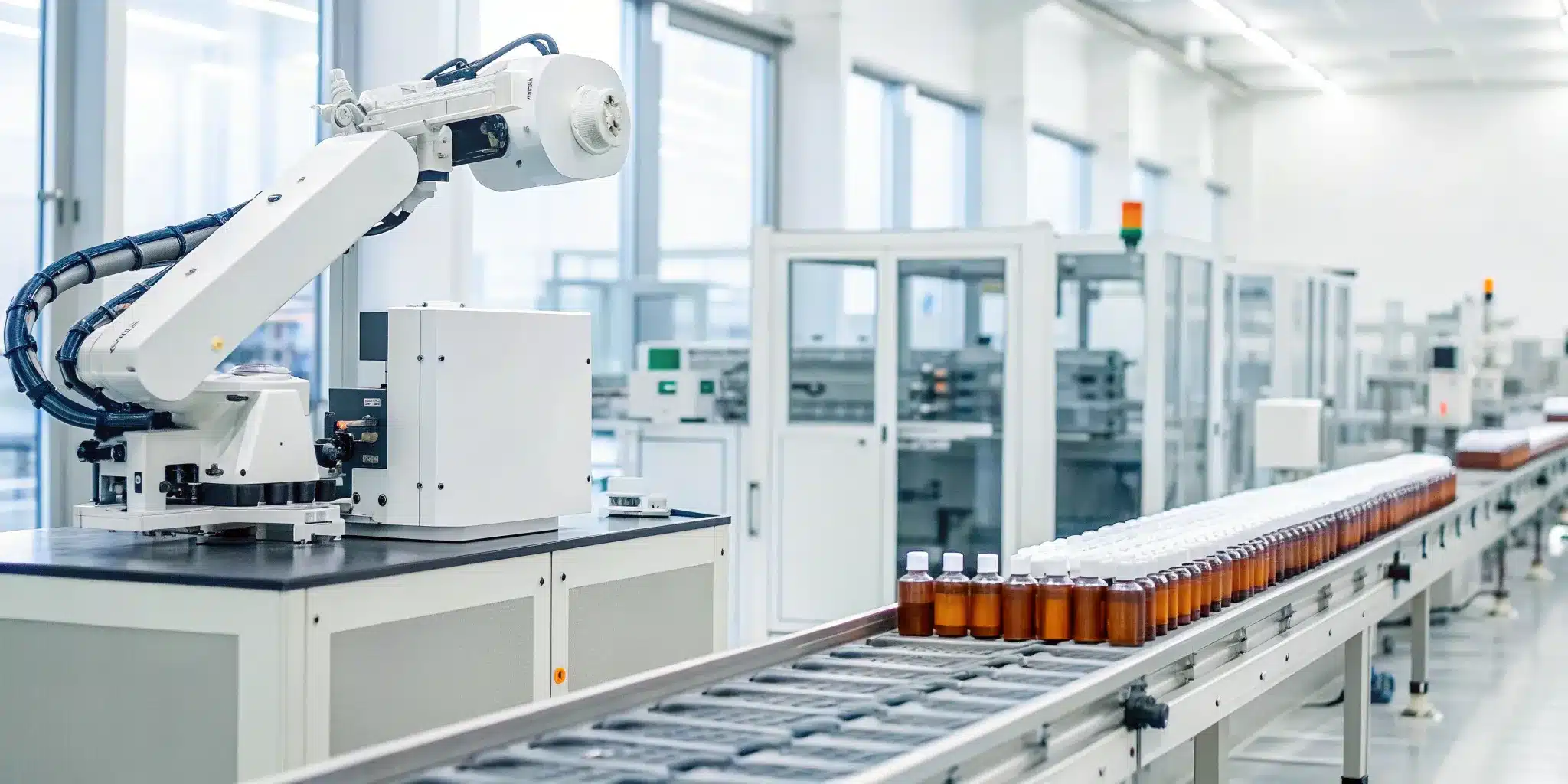
Your supply chain generates an incredible amount of data every single day, from manufacturing lines and warehouse sensors to shipping logs and sales reports. Without the right tools, most of that data is just noise. It’s a missed opportunity to understand your operations on a deeper level. The true power of AI in the pharma supply chain is its ability to turn that noise into a clear signal. It finds patterns, predicts outcomes, and delivers actionable insights that help you optimize inventory, streamline logistics, and maintain compliance. It’s about transforming your existing data into your most valuable strategic asset for building a more resilient and efficient operation.
Key Takeaways
- Shift from reactive to proactive management: AI gives you the foresight to anticipate supply chain disruptions, automate complex compliance tasks, and streamline operations, freeing your team from constantly putting out fires.
- Make smarter, data-driven decisions: AI transforms massive amounts of supply chain data into clear, actionable insights, leading to more accurate demand forecasts and optimized inventory that help you reduce waste and prevent stockouts.
- Implement AI with a strategic plan: A successful rollout involves more than just new software; it requires integrating AI into your core ERP system, ensuring your data is clean and organized, and guiding your team through the transition.
What is AI in the Pharma Supply Chain?
When we talk about artificial intelligence in the pharmaceutical supply chain, we’re not talking about science fiction. We’re talking about smart systems that help you automate tasks, anticipate risks, and make better predictions about the future. Think of AI as a highly capable assistant that can analyze massive amounts of data faster than any human ever could. It’s a set of tools designed to make the complex process of getting medicine from the manufacturer to the patient smoother, safer, and more efficient.
For pharmaceutical companies, this means moving beyond spreadsheets and manual processes. AI offers a way to manage inventory, forecast demand, and streamline logistics with incredible precision. It’s about using technology to solve everyday operational challenges, from ensuring regulatory compliance to preventing stockouts of critical medications.
AI, Defined for Pharma
At its core, AI in the pharma supply chain is about using technology to improve how medicines are managed. This involves everything from predicting how many drugs will be needed in a specific region to controlling stock levels and making the entire distribution process more efficient. Instead of reacting to problems as they happen, AI helps you anticipate them. It automates repetitive tasks, freeing up your team to focus on more strategic work. An AI-powered system can analyze patterns in your data to give you a clearer picture of your operations and help you make smarter, faster decisions.
The AI Tools Changing the Game
The tools making this happen are more practical than you might think. AI-driven business intelligence analytics can predict customer demand with remarkable accuracy, ensuring you have the right products in the right place at the right time. These systems can also identify potential supply chain disruptions, like shipping delays or manufacturing issues, long before they become critical problems. During challenging times, such as a public health crisis, AI has proven its ability to reduce bottlenecks and keep essential medicines moving. It’s quickly becoming a fundamental part of modern pharmaceutical operations, changing how companies manage everything from production to delivery.
What Pharma Supply Chain Challenges Can AI Solve?
The pharmaceutical supply chain is notoriously complex, with pressures ranging from fluctuating patient demand to stringent regulatory oversight. It’s a lot to manage with spreadsheets and legacy systems. AI offers a smarter way forward by tackling some of the industry’s most persistent challenges head-on. It helps you move from a reactive stance to a proactive one, turning massive datasets into clear, actionable insights that protect your products, your partners, and your patients.
Untangling Demand Forecasts
Guessing future demand for medications often leads to stockouts or costly overstocking. AI changes this by analyzing historical sales data, public health trends, seasonal patterns, and even social media sentiment to create highly accurate predictions. This means you can maintain optimal inventory levels, ensuring critical medicines are available when patients need them without tying up capital in excess stock. With better forecasting, you can make your entire supply chain more efficient and responsive. An ERP with strong business intelligence analytics uses AI to turn these complex variables into a clear picture of future demand, helping you plan with confidence.
Managing Risk and Disruptions
From port shutdowns to sudden weather events, disruptions can bring the supply chain to a halt. AI acts as an early warning system, identifying potential bottlenecks and risks long before they impact your operations. For example, AI algorithms can monitor global news, shipping routes, and supplier data to flag a potential delay. This gives you the crucial time needed to reroute shipments or arrange for alternative suppliers. Instead of just reacting to problems, you can anticipate them. A fully serialized ERP provides the item-level visibility needed for AI to effectively track products and suggest adjustments when disruptions occur.
Easing the Burden of Compliance
Meeting regulatory requirements like the Drug Supply Chain Security Act (DSCSA) is non-negotiable, but it can be a heavy operational lift. AI helps automate and streamline these processes, reducing the risk of human error and ensuring you stay audit-ready. It can continuously monitor transactions, flag anomalies, and generate the necessary documentation automatically. This not only saves time but also provides a robust, verifiable trail for every product. By integrating AI into your workflow, you can handle compliance with greater ease and precision, freeing up your team to focus on other critical tasks while knowing your operations are secure.
Preventing Counterfeits and Ensuring Quality
Protecting patients from counterfeit drugs and ensuring product quality are top priorities. AI contributes significantly by monitoring the manufacturing process in real time, detecting deviations that could compromise a batch’s quality. It can also analyze data from across the supply chain to spot unusual patterns that might indicate counterfeit products entering the system. By pairing AI with robust traceability systems, you create a powerful defense against fraudulent activities. This ensures that every product reaching a patient is authentic and meets the highest quality standards, reinforcing trust in your brand and the safety of the medicines you handle.
How AI is Changing Pharma Operations Today
Artificial intelligence isn’t just a buzzword for the future; it’s a practical tool that is actively reshaping pharmaceutical operations right now. Companies are using AI to move from reactive problem-solving to proactive strategy, making their supply chains more resilient, efficient, and secure. By integrating AI into daily workflows, you can get a clearer picture of your entire operation, from initial manufacturing to final delivery. This technology helps you manage inventory with greater precision, maintain impeccable quality control, streamline logistics, and anticipate disruptions before they happen. Instead of just reacting to stockouts or quality issues, you can prevent them. AI provides the data-driven insights needed to make smarter decisions faster, ensuring that life-critical products are always available and safe for patients. It’s about transforming massive amounts of data from disparate systems into actionable intelligence that strengthens every link in your supply chain. Let’s look at the specific ways AI is making a tangible difference today.
Optimize Inventory with Predictive Analytics
Guesswork has no place in pharmaceutical inventory. AI-powered predictive analytics transforms how you manage stock by forecasting demand with incredible accuracy. Instead of relying solely on past sales, these systems analyze historical data alongside external factors like seasonal health trends, demographic shifts, and even public health alerts. This allows you to anticipate needs and adjust stock levels accordingly. The result is a finely tuned inventory management system that prevents costly overstocking of products with expiration dates while also avoiding stockouts of life-critical medications. It’s about having exactly what you need, right when you need it, ensuring patient access and financial stability.
Automate Your Quality Control
Maintaining quality and consistency across every batch is non-negotiable in the pharmaceutical industry. AI helps automate this critical process, reducing the potential for human error. AI algorithms can continuously monitor manufacturing data in real time, identifying subtle deviations from quality standards that might otherwise go unnoticed. This ensures every product meets rigorous specifications and supports regulatory compliance. By automating routine checks, you free up your highly skilled quality assurance teams to focus on more complex analyses and process improvements, creating a more robust and reliable production environment from the ground up.
Create Smarter Logistics and Distribution
Getting temperature-sensitive and time-critical medications delivered safely and on time is a massive logistical challenge. AI makes your distribution network smarter and more efficient. It analyzes variables like traffic patterns, weather conditions, and carrier performance to determine the most effective shipping routes. For cold chain products, AI-powered sensors can monitor temperatures throughout transit and flag any potential issues before the product is compromised. This level of oversight ensures that products move through the serialized ERP system smoothly, maintaining their integrity and reaching their destination on schedule, which is essential for both patient safety and business operations.
Monitor Your Supply Chain in Real Time
The best way to handle a supply chain disruption is to see it coming. AI gives you that foresight. By analyzing data from across your entire supply chain, AI can identify patterns and predict potential bottlenecks weeks or even months in advance. For example, it might flag a potential raw material shortage from a supplier or anticipate a surge in demand in a specific region. These insights, often delivered through business intelligence analytics dashboards, allow you to take proactive measures. You can reroute shipments, arrange for backup suppliers, or adjust production schedules, turning a potential crisis into a manageable event.
The Core Benefits of Using AI
Integrating AI into your supply chain isn’t just about adopting new technology; it’s about fundamentally improving how you operate. From the warehouse floor to the executive boardroom, AI offers tangible advantages that address some of the industry’s biggest challenges. It helps streamline processes, protect patients, and future-proof your business against uncertainty. Let’s look at four key benefits you can expect when you bring AI into your pharmaceutical operations.
Improve Efficiency and Reduce Costs
Every pharmaceutical company is looking for ways to operate more efficiently without compromising quality. AI is a powerful tool for achieving this by automating the repetitive, time-consuming tasks that can slow your team down. Think about all the hours spent reviewing records or manually checking incoming materials. AI can handle these processes with speed and accuracy, freeing up your skilled staff to focus on more strategic work. This automation not only speeds up your entire operation, helping you deliver medicines on time, but it also directly impacts your bottom line through better financial automation and resource allocation.
Increase Patient Safety
In the pharmaceutical world, patient safety is non-negotiable. AI strengthens this commitment by adding a layer of intelligent oversight to your supply chain. It ensures that every process operates within strict regulatory frameworks, maintaining the quality and integrity of medications from production to delivery. AI systems can monitor for deviations in real time, flagging potential issues before they become serious problems. By helping you uphold the highest standards of compliance, AI plays a crucial role in every step of the journey, ensuring that the end product is both safe and effective for the patients who depend on it.
Mitigate Risks Before They Happen
The modern supply chain is complex and vulnerable to disruptions, from supplier delays to global events. AI helps you shift from a reactive to a proactive approach to risk management. By analyzing vast datasets, AI algorithms can identify potential disruptions far faster than traditional methods, giving you a critical head start to find a solution. This predictive power helps prevent medicine shortages that can have serious public health consequences. Instead of just responding to problems, you can anticipate them, making your supply chain more resilient and reliable. This is where strong business intelligence analytics become your greatest asset.
Make Smarter, Data-Driven Decisions
Your supply chain generates an enormous amount of data every day. Without the right tools, it’s just noise. AI helps you turn that data into clear, actionable insights. It can analyze complex information to give you a complete picture of your operations, revealing patterns and opportunities you might otherwise miss. This allows you to make more informed strategic decisions about everything from inventory levels to distribution routes. With tools like an AI chat interface, you can ask complex questions about your operations and get immediate, data-backed answers, empowering your team to make smarter choices on the fly.
Using AI for Better Forecasting and Inventory
Forecasting demand and managing inventory in the pharmaceutical industry feels like a constant balancing act. On one hand, you can’t afford stockouts of life-saving medications. On the other, overstocking leads to waste, especially with products that have short shelf lives or require specific storage conditions. Traditional methods often rely on historical data, which can’t account for sudden market shifts or public health events. This is where AI changes the game. Instead of just looking in the rearview mirror, AI-powered tools analyze vast datasets in real time to predict what’s coming. This allows you to move from a reactive to a proactive strategy, ensuring you have the right products in the right place at the right time. A modern inventory management system integrated with AI gives you the foresight needed to make smarter, more confident decisions that protect both your patients and your bottom line.
Predict Demand with Machine Learning
If you’ve ever been surprised by a sudden spike in demand for a certain drug, you know how limited historical sales data can be. Machine learning models go much deeper. They can analyze complex variables like epidemiological data, seasonal flu trends, competitor activities, and even public health announcements to create far more accurate demand forecasts. This level of insight helps you align your production schedules and distribution plans with what the market actually needs. By using business intelligence analytics powered by AI, you can anticipate shifts before they happen, ensuring your supply chain is prepared to meet patient needs without creating unnecessary surplus. It’s about turning data into a reliable roadmap for the future.
Optimize Inventory on the Fly
Once you have a solid forecast, the next step is maintaining optimal inventory levels. This is where AI truly shines. Instead of static reorder points, AI algorithms use real-time data to make dynamic adjustments. They monitor everything from current sales velocity and warehouse stock levels to shipping delays and weather patterns. This allows the system to recommend precise inventory adjustments to prevent both stockouts and overstock situations. For example, if a distribution hub is facing a potential disruption, the AI can suggest rerouting shipments or reallocating stock from another location. When this intelligence is built into a serialized ERP, you get the granular, real-time product data needed to make these optimizations happen seamlessly.
Reduce Waste with Smarter Stocking
Waste is one of the biggest hidden costs in the pharmaceutical supply chain. Expired products not only represent a financial loss but also a failure to get medicine to a patient who needed it. Smarter forecasting and dynamic inventory optimization directly address this problem. By anticipating demand fluctuations and potential disruptions, AI helps you stock more intelligently. It can identify slow-moving inventory and recommend strategies to use it before it expires, or it can flag potential supply chain bottlenecks that could lead to spoilage. This proactive approach significantly reduces waste and improves the overall efficiency and resilience of your operations. It’s a critical step toward building a more sustainable and cost-effective supply chain.
How AI Helps with Compliance and Quality Assurance
Meeting regulatory standards and ensuring product quality are non-negotiable in the pharmaceutical industry. The administrative weight of these tasks can be immense, often involving manual checks and mountains of paperwork that are both time-consuming and prone to error. This is where AI steps in, not as a far-off concept, but as a practical tool that can transform your compliance and quality assurance from a reactive chore into a proactive, automated process. By handling the complex and repetitive work, AI helps you stay ahead of regulations and maintain the highest quality standards with greater efficiency and accuracy.
Support DSCSA Compliance with AI
The Drug Supply Chain Security Act (DSCSA) introduced complex track-and-trace requirements for every stakeholder in the pharmaceutical supply chain. AI is perfectly suited to manage this data-intensive challenge. It automates the verification of serialized product identifiers at every point of transfer, creating an unbroken digital chain of custody. Instead of manual spot-checks, AI-powered systems can process and validate millions of transactions in real time. This ensures your operations meet all DSCSA requirements and significantly reduces the risk of counterfeit or diverted products entering your supply chain. It’s about building a more secure and transparent system that protects both your business and your patients.
Automate Documentation and Reporting
The burden of compliance documentation can easily overwhelm even the most organized teams. AI helps lighten this load by automating the creation, review, and management of essential records. Imagine a system that can instantly review batch records, verify incoming material certificates, and compile accurate compliance reports without human intervention. This automation not only saves countless hours but also minimizes the risk of costly errors. By letting AI handle the repetitive paperwork, your quality assurance professionals can focus their expertise on more strategic initiatives, like process improvement and risk management, instead of getting bogged down by administrative tasks.
Continuously Monitor and Validate Compliance
True quality assurance isn’t about passing an audit; it’s about maintaining standards every single day. AI enables continuous, real-time monitoring of your operations to ensure ongoing compliance. These systems can analyze data from manufacturing lines and environmental sensors to ensure every batch meets precise quality specifications. More importantly, AI can identify subtle patterns and predict potential deviations before they become serious problems, allowing you to take corrective action proactively. This approach shifts quality control from a retrospective activity to a forward-looking one, using business intelligence analytics to build a more resilient and reliable supply chain.
How to Implement AI in Your Pharma Company
Bringing AI into your pharmaceutical operations is more than just installing new software. It’s a fundamental shift that touches every part of your business, from your warehouse floor to your C-suite. To truly get the benefits of AI, you have to think beyond the technology itself and consider how it will reshape your processes, your culture, and the way your team works. This isn’t about replacing people; it’s about empowering them with better tools to make smarter, faster decisions.
Successfully adopting AI requires a thoughtful plan. You need to look at your existing systems, the quality of your data, and how you’ll guide your team through the transition. It’s a journey, not a sprint, and it starts with building a solid foundation. By approaching implementation with a clear strategy, you can ensure the technology works for you, streamlining your supply chain and ultimately making it safer and more efficient. The following steps will help you create a practical roadmap for bringing AI into your company.
Integrate AI with Your Current ERP
The most effective way to introduce AI is to weave it directly into the systems your team already uses every day. Your Enterprise Resource Planning (ERP) system is the operational heart of your company, so it’s the natural place for AI to live. Bolting on a separate AI tool creates data silos and forces your team to learn yet another platform. Instead, look for a solution where AI is a core component, not an afterthought. A truly integrated serialized ERP uses AI to enhance existing workflows, providing insights and automation right where you need them. This approach transforms AI from a complex new technology into a seamless part of your daily operations.
Prepare Your Data and Infrastructure
AI is powered by data, which means the quality of your insights depends entirely on the quality of your information. Before you can implement any AI tools, you need to get your data in order. This involves cleaning, organizing, and standardizing the information across your supply chain. It’s a significant undertaking, but it’s non-negotiable. You also need a robust technical infrastructure that can handle the demands of AI and connect smoothly with your existing systems. Think of it as preparing the ground before you plant the seeds. A strong data foundation ensures your business intelligence analytics and AI models produce accurate, reliable results you can trust.
Develop a Change Management Strategy
Technology is only one piece of the puzzle; the human element is just as important. Your team needs to understand why this change is happening and how AI will help them do their jobs better, not make them obsolete. A clear change management strategy is essential. Start by communicating the vision and the benefits, focusing on how AI will reduce tedious tasks and allow employees to focus on more strategic work. Provide thorough training and create a supportive environment where people can ask questions and adapt at their own pace. Remember, this is a long-term transformation, and getting your team on board is the key to making it a success.
The Future of AI in the Pharma Supply Chain
Looking ahead, AI is set to do more than just refine existing processes. It’s paving the way for fundamental shifts in how pharmaceuticals are developed, distributed, and delivered to patients. The future isn’t just about a faster supply chain; it’s about a smarter, more predictive, and more interconnected one. As technology evolves, we’re seeing AI’s potential expand into areas that will redefine the industry, from creating hyper-personalized medicines to building supply chains that can withstand global disruptions without missing a beat. These advancements are moving the industry from a reactive model to one that is proactive and deeply intelligent, ready to meet the challenges of tomorrow.
Personalized Medicine and New AI Tech
The next frontier in healthcare is personalized medicine, where treatments are tailored to an individual’s genetic makeup. Technologies like Generative AI are already accelerating how new drugs are discovered and developed, helping get safer, more effective treatments to patients faster. But these highly specific therapies, like cell and gene treatments, demand an equally precise supply chain. You need complete visibility and control to manage complex, time-sensitive logistics. An AI-powered ERP is essential for handling these unique demands, ensuring that a life-saving treatment created for one specific person makes its journey securely and on time.
Building a More Resilient Supply Chain
If recent years have taught us anything, it’s that disruption is inevitable. AI is changing how we prepare for it. Instead of just reacting to problems like port shutdowns or extreme weather, AI helps supply chains anticipate them and adjust course quickly. Predictive models can run simulations of potential disruptions, allowing you to see the ripple effects and make informed decisions before a crisis hits. This shift from a reactive to a proactive stance is critical. It helps pharmaceutical companies maintain operational efficiency and ensure the timely delivery of medicines, no matter what’s happening in the world.
Combining AI with Blockchain and IoT
AI becomes even more powerful when paired with other technologies like the Internet of Things (IoT) and blockchain. Imagine IoT sensors on a shipment providing real-time data on temperature and location. AI algorithms can analyze this data instantly to flag any deviations that could compromise product quality. Blockchain can then create a secure, unchangeable record of the product’s journey from manufacturer to pharmacy. This combination creates a transparent, trustworthy, and intelligent system. It’s a powerful trio for optimizing inventory, managing orders, and ensuring end-to-end DSCSA compliance and traceability.
Related Articles
- How AI Improves Pharma Supply Chain Management – RxERP
- AI Reporting for Pharma Supply Chains: A Practical Guide – RxERP
Frequently Asked Questions
Is implementing AI in my supply chain a massive, all-or-nothing project? Not at all. The idea of a huge, custom AI project can be intimidating, but that’s not the most practical approach for most companies. The smartest way to start is by adopting a system, like an ERP, that already has AI built into its core functions. This way, you’re not starting from scratch. Instead, you’re enhancing the workflows your team already uses for inventory, compliance, and logistics. It allows you to get the benefits of AI in a more manageable, integrated way without the disruption of a massive standalone initiative.
How exactly does AI help with something as specific as DSCSA compliance? AI is incredibly helpful for DSCSA because it automates the immense data processing required. It can instantly verify the serialized data on every product as it moves through your supply chain, creating a secure and verifiable digital record. If there’s an anomaly, like a duplicated serial number or a transaction that doesn’t match records, the AI can flag it in real time for investigation. This moves you from manual spot-checks to continuous, automated monitoring, which greatly reduces the risk of errors and ensures you’re always ready for an audit.
Will AI make my team’s jobs obsolete? This is a common concern, but the goal of AI in this context isn’t to replace people. It’s to empower them. Think of all the time your team spends on repetitive tasks like manually checking records, tracking shipments, or compiling reports. AI can handle that work with greater speed and accuracy. This frees up your team to focus on what humans do best: strategic thinking, problem-solving, and managing relationships with partners and suppliers. AI becomes a powerful assistant, not a replacement.
My company’s data is spread across different systems. Can AI still work for us? This is a very common situation, and it’s one of the main reasons why an integrated approach is so important. AI needs clean, organized data to be effective. A modern, AI-powered ERP serves as the central hub that brings all that scattered information together. The implementation process itself often involves organizing and standardizing your data, which is a valuable exercise on its own. Once your data is unified within the ERP, the AI can analyze it effectively to give you a clear, complete picture of your operations.
What’s the real difference between an ERP with built-in AI and just buying a separate AI analytics tool? The main difference is integration. When you use a separate tool, you create data silos. Your team has to switch between systems, and the insights from the AI tool aren’t connected to your daily operational workflows. An ERP with built-in AI provides insights right where you need them. For example, a demand forecast isn’t just a report; it can automatically suggest inventory adjustments within your inventory management module. This seamless connection makes the AI far more practical and actionable for your team.