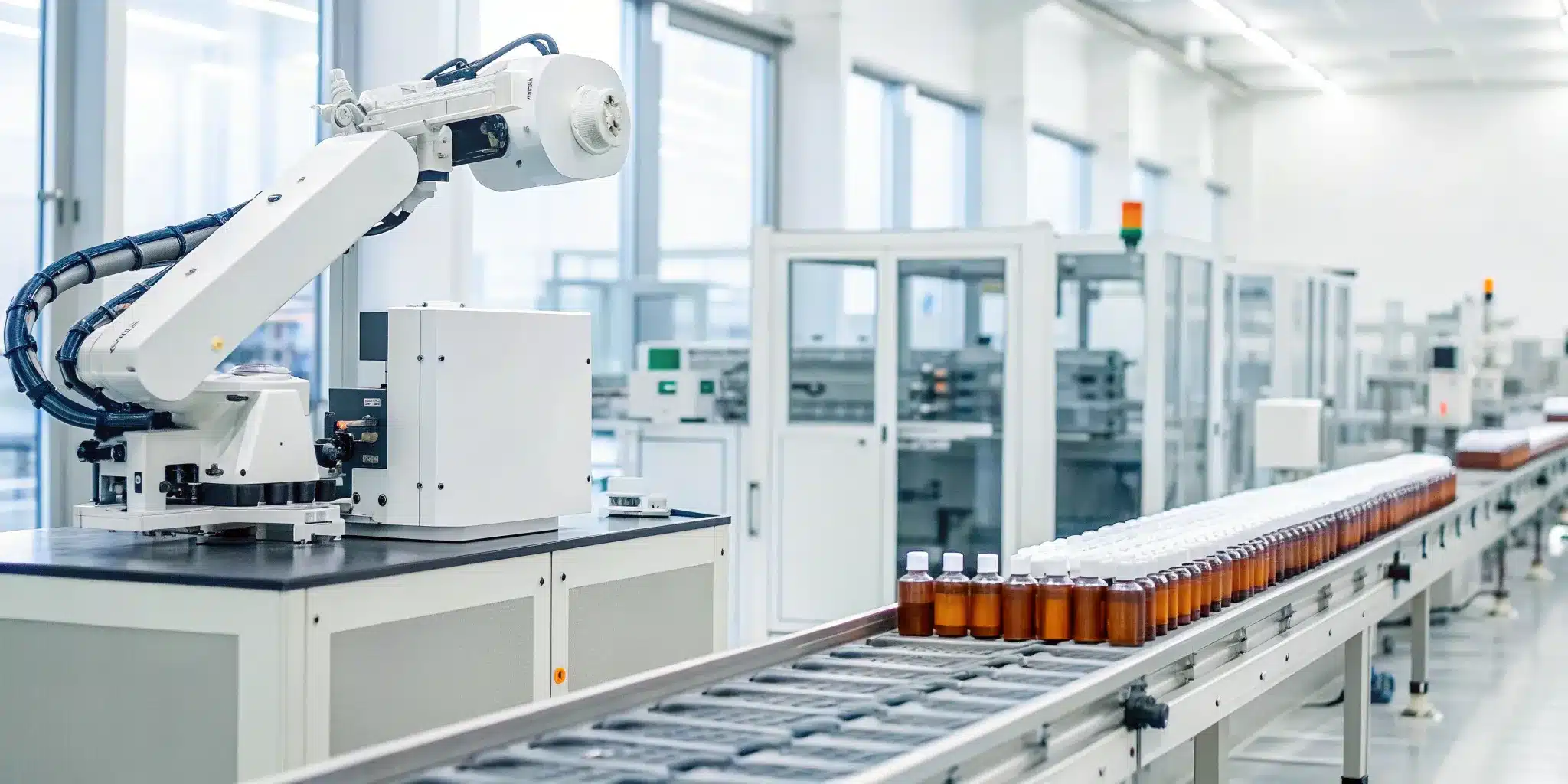

Managing a pharmaceutical supply chain often feels like trying to solve a puzzle with missing pieces. Disconnected systems, data silos between partners, and a lack of real-time visibility create risks that can lead to costly recalls or dangerous product diversions. A better approach starts with a simple question: what is end to end traceability in pharma? It’s about creating a single, unified view of your entire supply chain. By giving every product a unique digital fingerprint and tracking it at every touchpoint, you can streamline operations, manage inventory with precision, and turn raw data into actionable insights that protect both your business and your patients.
Key Takeaways
- Protect patients and meet regulations: Traceability creates a verifiable digital history for every drug, confirming its authenticity to prevent counterfeits and ensuring you meet legal requirements like the Drug Supply Chain Security Act (DSCSA).
- A unified platform is your command center: A serialized ERP is crucial because it integrates all necessary functions like serialization, inventory, and compliance into one system, eliminating data silos and providing a single source of truth for your supply chain.
- Overcome hurdles with a smart strategy: Successfully implement traceability by choosing a purpose-built system instead of patching together old ones, collaborating closely with supply chain partners, and rolling out changes in manageable phases to reduce operational risk.
What is End-to-End Traceability in Pharma?
Imagine being able to see the complete life story of a single bottle of medication, from the moment its raw materials were sourced to the second it reaches a patient. That’s the core idea behind end-to-end traceability. It’s about creating an unbroken, transparent digital trail for every drug product moving through the pharmaceutical supply chain. This visibility isn’t just a nice-to-have; it’s a fundamental shift in how we ensure drug safety and integrity.
Traceability answers the critical questions at every stage: Where did this product come from? Who has handled it? Is it authentic? Was it stored under the right conditions? By having clear answers, companies can protect patients from counterfeit or compromised drugs, streamline their operations, and meet complex regulatory demands like the Drug Supply Chain Security Act (DSCSA). It transforms the supply chain from a series of disconnected steps into a single, cohesive, and secure journey. For everyone involved, from manufacturers to distributors, this level of insight provides confidence that the products being handled are safe and legitimate. It’s about building a system of trust that is verified by data at every single touchpoint, ultimately safeguarding the health of the end consumer.
Follow a Drug’s Entire Journey
Think of traceability as a detailed travel log for each medicine. It documents the entire journey, starting from the initial ingredients and following through manufacturing, packaging, and distribution until it arrives at a pharmacy or hospital. This complete history shows every handoff and location change, providing a clear picture of the product’s path. It confirms who handled the product at each step and verifies that it was kept under proper conditions, like correct temperature and humidity, to maintain its effectiveness and safety. This level of detail is crucial for identifying and resolving any issues that might arise along the way, ensuring that the medicine a patient receives is exactly what it’s supposed to be.
Give Every Medication a Digital Fingerprint
To make this detailed journey possible, every single saleable unit of a drug, like a bottle or a carton, is given a unique digital fingerprint. This process, known as serialization, assigns a one-of-a-kind identification code to each package. This code is then scanned at every point in the supply chain, creating a digital record, or “digital twin,” that is updated in real time. This digital history is attached to the physical product, allowing anyone with the right tools to verify its authenticity and trace its history instantly. A serialized ERP system is the backbone of this process, managing these unique IDs and the massive amount of data they generate.
How Does Pharmaceutical Traceability Work?
Pharmaceutical traceability creates a detailed digital story for every drug package as it moves from the factory to the patient. It’s a straightforward process that breaks down into three key stages: assigning a unique identity, capturing data at every touchpoint, and making that information available for real-time tracking. Together, these steps build a transparent and secure supply chain you can trust, giving you a clear view of a product’s entire journey.
Assigning Unique Identifiers Through Serialization
The first step is giving every saleable drug unit its own digital fingerprint through a process called serialization. Think of it like a serial number on a dollar bill; it’s a one-of-a-kind code that distinguishes one package from millions of others. This identifier contains key information like the product code, lot number, and expiration date, and it serves as the foundation for tracking the product’s entire lifecycle. A robust serialized ERP system is essential for managing these identifiers, ensuring each one is created, applied, and recorded correctly from the very start of its journey.
Capturing Data at Every Touchpoint
Once a product has its unique identity, its journey is recorded at every stop. Every time the package is packed, shipped, received, or sold, its unique code is scanned. This action captures critical data: who handled it, where it was, and when the event happened, creating a complete digital history for that specific package. This detailed record-keeping is a core requirement of regulations like the Drug Supply Chain Security Act (DSCSA), which mandates that trading partners document and share this information to build a verifiable chain of custody and prevent illegitimate products from entering the supply chain.
Tracking Products in Real Time
The final piece is bringing all that captured data together for instant access. With a fully connected system, you can monitor a product’s movement as it happens. This real-time visibility means you can pinpoint a specific drug package’s location and history in seconds. If you need to investigate a diversion or manage a recall, you can instantly identify which products are affected and where they are. This level of insight is powered by strong business intelligence analytics that turn raw tracking data into clear, actionable information for your team, helping you make faster, more informed decisions.
Why is Traceability a Must-Have for Pharma Companies?
In the pharmaceutical world, traceability is much more than a logistical exercise. It’s a fundamental part of your commitment to safety, quality, and trust. With complex global supply chains, the journey from manufacturer to patient is filled with potential risks. Implementing a robust traceability system isn’t just about meeting regulations; it’s about building a resilient, transparent, and secure supply chain that protects your products, your brand, and most importantly, the people who depend on your medications. It’s a strategic imperative that touches every part of your operation, from compliance to customer confidence.
Protect Patients and Ensure Drug Authenticity
At its core, traceability is about patient safety. Every time a patient receives a medication, they trust that it’s authentic and safe. End-to-end traceability provides the proof to back up that trust. By tracking each product unit from its creation, you can verify its entire journey and confirm it hasn’t been tampered with, swapped for a counterfeit, or improperly handled. This level of visibility is crucial for preventing dangerous fakes from entering the market. It’s a powerful tool in the fight to keep harmful substances out of the hands of vulnerable patients, a key part of addressing public health issues like the opioid crisis.
Meet Strict Regulatory Demands
The days of optional traceability are long gone. Regulatory bodies around the world have established strict mandates to secure the drug supply chain, and the penalties for non-compliance are steep. In the United States, the Drug Supply Chain Security Act (DSCSA) requires a comprehensive, electronic system to trace prescription drugs. Failing to meet these requirements can lead to fines, operational shutdowns, and severe damage to your company’s reputation. A solid traceability system isn’t just good practice; it’s a requirement for doing business. Understanding what DSCSA is and implementing the right tools ensures you stay compliant and keep your products moving.
Manage Supply Chain Risks Effectively
The pharmaceutical supply chain is notoriously complex, creating opportunities for everything from product diversion and theft to spoilage. Without full visibility, you’re essentially flying blind. Traceability gives you a clear line of sight into every handoff and storage point. This allows you to identify weak links, spot unusual activity, and address potential disruptions before they escalate into major problems. A serialized ERP system acts as your central command center, turning traceability data into actionable insights that help you proactively manage risk, secure your inventory, and maintain the integrity of your supply chain from start to finish.
Streamline and Simplify Product Recalls
No company wants to face a product recall, but if you do, speed and precision are critical. A robust traceability system can transform a chaotic, brand-damaging event into a controlled, efficient process. Instead of issuing a broad recall that pulls safe products off the shelves, you can use serialization data to pinpoint the exact affected batches. This allows you to conduct surgical recalls, minimizing the impact on patients and reducing financial losses. With strong inventory management tools integrated into your traceability system, you can quickly locate and isolate compromised products, demonstrating control and protecting public health.
What Are the Key Components of a Traceability System?
Think of a robust traceability system as a well-built structure. It’s not just one piece of technology but a combination of essential components working together to create a secure and transparent supply chain. Each part plays a specific role, from giving a product its unique identity to ensuring that its journey is accurately documented and shared. When these elements are integrated, they form a powerful defense against counterfeit drugs and supply chain disruptions.
A truly effective system relies on four main pillars: unique identifiers for every product, comprehensive digital records, interconnected data platforms, and modern security technologies. Without any one of these, the structure becomes unstable, leaving gaps that can be exploited. For pharmaceutical companies, understanding these components is the first step toward building a system that not only meets regulatory demands like the DSCSA but also protects patients and strengthens your business operations. Let’s break down what each of these key components looks like in practice.
Serialized Product Identifiers
At the heart of traceability is serialization, which is a fancy way of saying that every single saleable unit of a drug gets its own unique digital fingerprint. This isn’t just a batch number; it’s a specific code, like a serial number, assigned to an individual bottle of pills or a single vial of medication. This unique identifier is encoded into a 2D barcode on the packaging. By giving each product a distinct identity, you can track it precisely from the moment it leaves the manufacturing line until it reaches the pharmacy shelf. This is the foundational step that makes true end-to-end traceability possible, turning every package into a trackable asset.
Digital Record-Keeping Systems
Once a product has its unique identifier, you need a way to document its journey. This is where digital record-keeping comes in. Every time the product is scanned at a new point in the supply chain, that event is recorded, creating a complete digital history or “digital twin” of the physical product. This log shows who handled the product, where it has been, and when each transaction occurred. This detailed, chronological record provides an unbroken chain of custody. Having a reliable serialized ERP ensures that this data is captured accurately, creating a transparent and auditable trail for every single item.
Integrated Data Platforms
A digital record is only useful if it can be shared with your supply chain partners. An integrated data platform acts as the central nervous system for your traceability efforts, allowing manufacturers, distributors, and dispensers to communicate and exchange information seamlessly. These systems are designed to manage and share the massive amounts of serialization data required for compliance. Instead of operating in silos, all stakeholders can access the same verified information, ensuring everyone is on the same page. This interoperability is crucial for verifying product authenticity at any point and for coordinating actions like product recalls.
Modern Verification Technologies
To protect the integrity of all this data, modern traceability systems use advanced verification technologies. These tools add layers of security to prevent tampering and fraud. For example, some systems use blockchain in the pharma supply chain to create an immutable, decentralized ledger of transactions that is incredibly difficult to alter. Others might use special tamper-evident labels or covert markers. These technologies ensure that the data you and your partners rely on is trustworthy, giving you confidence that the products moving through your supply chain are authentic and secure from start to finish.
How DSCSA Compliance Shapes Traceability
In the pharmaceutical world, traceability isn’t just a best practice; it’s a legal requirement driven by the Drug Supply Chain Security Act (DSCSA). Think of the DSCSA as the rulebook for securing the nation’s drug supply. It was created to protect patients from counterfeit, stolen, or contaminated medications by establishing a fully electronic, interoperable system to track and trace prescription drugs as they move through the United States. This regulation fundamentally shapes how every company in the supply chain, from manufacturers to dispensers, approaches traceability.
Meeting DSCSA requirements means you can’t just have a vague idea of where your products are. You need a detailed, electronic record of every transaction. This law transforms traceability from a passive concept into an active, ongoing process of tracking, verifying, and documenting. It mandates that all supply chain partners work together, sharing data in a standardized way to create a transparent and secure path for every drug. Essentially, DSCSA compliance is the engine that powers modern pharmaceutical traceability, making it an essential function for any company that wants to operate legally and safely.
The Mandate to Track and Trace
The core of the DSCSA is its mandate for complete, end-to-end product tracing. This isn’t just about knowing where a product is at any given moment; it’s about having a complete, unbroken history of its journey. To achieve this, you need systems that extend beyond the packaging line. A serialized ERP is designed to centrally manage the tracking and tracing of products throughout the entire supply chain. Every time a product changes hands, that transaction information must be captured and passed along, creating a comprehensive digital pedigree that follows the drug from its creation all the way to the pharmacy shelf.
Your Obligation to Verify Products
Under the DSCSA, you have a legal obligation to verify the products you handle. This means you must be able to confirm the legitimacy of the product identifier on packages you receive. Regulatory agencies require a transparent and traceable documentation trail for pharmaceutical products, ensuring that every step of the product’s journey is documented and verifiable. This is especially critical when dealing with returns or investigating suspicious products. Your systems must be equipped to quickly authenticate a product against its transaction history, providing the compliance and assurance needed to keep illegitimate drugs out of the supply chain.
Secure Data Sharing Requirements
Traceability only works if everyone in the supply chain can communicate effectively. The DSCSA mandates that transaction data be shared electronically in a secure, interoperable format. This is vital for preventing counterfeit drugs, ensuring patient safety, and streamlining supply chains. Secure data sharing among all stakeholders is necessary to maintain the integrity of the supply chain. This requires a robust digital infrastructure that allows manufacturers, distributors, and dispensers to exchange information seamlessly. An integrated platform with the right features ensures that this data exchange is not only compliant but also efficient, turning a regulatory burden into a strategic advantage.
What Technology Powers Modern Traceability?
Achieving end-to-end traceability isn’t about a single piece of technology. Instead, it relies on a powerful combination of hardware and software working together to create a secure, transparent, and efficient supply chain. Think of it as a digital ecosystem where every product has a unique story that is recorded and verified at every step of its journey. This technological foundation is what allows you to meet regulatory requirements, protect patients, and manage your operations with confidence. It’s the difference between having a vague idea of where your products are and knowing their precise location and history at any given moment.
From the simple scan of a barcode to the complex analysis of big data, each component plays a critical role. These tools capture information, store it securely, and turn raw data into actionable insights. Understanding how these technologies function is the first step toward building a robust traceability system. They are the engine that drives compliance and ensures the integrity of every medication that moves from the manufacturing line to the patient. Without them, true visibility is impossible, leaving your supply chain vulnerable to errors, counterfeits, and inefficiencies. Let’s look at the key technologies that make modern pharmaceutical traceability possible.
Barcodes and Advanced Scanning
The foundation of modern traceability starts with giving each drug package a unique identity. This is typically done using 2D data matrix barcodes, which act like a digital fingerprint containing the product identifier, serial number, lot number, and expiration date. Advanced scanners are then used at every point in the supply chain, from the factory to the pharmacy, to read these barcodes and capture data. This process helps answer critical questions: Where is the product right now? Who handled it? Was it stored correctly? This simple yet powerful technology is the primary method for collecting the data needed for a serialized ERP system and is essential for DSCSA compliance.
RFID and Blockchain
While barcodes are common, some companies also use Radio Frequency Identification (RFID) tags, which can be scanned without a direct line of sight, to track products. To secure this data, many are turning to blockchain technology. Think of blockchain as a shared, unchangeable digital ledger that everyone in the supply chain can see. Every time a product is scanned or changes hands, a new entry is created, forming a permanent and verifiable record. This makes the supply chain incredibly secure and transparent, as it’s nearly impossible to alter records without detection. This level of security is a game-changer for preventing counterfeit drugs and ensuring product authenticity.
AI-Powered Analytics and Cloud Platforms
All the data collected from scans needs a central place to be stored, managed, and analyzed. This is where cloud platforms come in, providing a secure and accessible hub for all traceability information. But just having the data isn’t enough. AI-powered analytics act as the brain of the operation, sifting through vast amounts of information to provide real-time insights. These tools can automate reporting to keep you audit-ready, flag unusual activity that might indicate theft or counterfeiting, and even predict potential supply chain disruptions. With business intelligence analytics, you can turn traceability data into a strategic asset that improves efficiency and decision-making.
How Traceability Stops Counterfeit Drugs
A robust traceability system is your strongest defense against the growing threat of counterfeit pharmaceuticals. By creating a transparent and secure supply chain, you make it incredibly difficult for fraudulent products to infiltrate the system and reach patients. Instead of reacting to problems after the fact, traceability allows you to proactively monitor, verify, and protect every single item you produce. This not only safeguards public health but also protects your brand’s integrity and bottom line.
Authenticate Products at Every Step
End-to-end traceability means you have a complete, unbroken record of a drug’s journey. It starts the moment a product is packaged and assigned a unique serial number. From there, every time the product changes hands, from the manufacturer to the distributor to the pharmacy, its identity is scanned and its location is updated. This process creates a secure digital chain of custody that follows the product everywhere it goes. If a product shows up without a legitimate, verifiable history, it’s immediately identified as a potential threat, preventing it from moving any further down the supply chain.
Verify Drugs Instantly
With a modern traceability system, you don’t have to guess if a product is authentic. Authorized partners can verify a drug’s legitimacy in real time with a simple scan. When a distributor receives a shipment, their system can instantly check the products’ unique identifiers against a secure database to confirm they are genuine and have not been duplicated or tampered with. This instant verification is a cornerstone of regulations like the Drug Supply Chain Security Act (DSCSA), which mandates that trading partners can authenticate products at the package level. It’s a simple yet powerful way to shut the door on counterfeits.
Respond Quickly to Security Threats
Should a security threat arise, traceability enables you to act with speed and precision. If a counterfeit product is detected or a batch is compromised, you can pinpoint its exact location within the supply chain in minutes, not days. This allows for targeted recalls that isolate only the affected products, minimizing disruption and protecting patient safety more effectively. Having this level of visibility helps you make smarter, data-driven decisions under pressure, demonstrating control and upholding your commitment to regulatory compliance. It transforms your response from a widespread crisis into a manageable, contained event.
What Key Regulatory Requirements Must You Meet?
Staying on the right side of regulations is non-negotiable in the pharmaceutical industry. End-to-end traceability isn’t just a best practice for supply chain efficiency; it’s a fundamental requirement for legal operation. The regulatory landscape can seem complex, but it boils down to a few core principles: ensuring product quality, being ready for audits, and protecting your data. Think of these requirements not as hurdles, but as a framework for building a safer, more transparent supply chain that protects patients and your business from risk. When you have a clear, verifiable trail for every single product unit, you’re not just checking a box; you’re building a foundation of trust with regulators, partners, and the public.
Meeting these standards requires a comprehensive system that can track every product movement with precision. The pharmaceutical industry is governed by extensive regulations, including Good Manufacturing Practices (GMP) and the Drug Supply Chain Security Act (DSCSA), which mandate robust traceability to ensure product safety. A modern, integrated platform helps you manage these obligations seamlessly, turning compliance from a constant worry into a built-in feature of your operations. By embedding these requirements into your daily workflow, you can focus on getting life-saving medications to the people who need them. The goal is to create a single source of truth for every product, making it simple to demonstrate your adherence to the rules at any given moment. This proactive approach is far more effective than reacting to issues after they arise, saving you time, money, and potential reputational damage.
Comply with Good Manufacturing Practices (GMP)
Good Manufacturing Practices (GMP) are the bedrock of pharmaceutical quality control. These regulations ensure that products are consistently produced and controlled to meet the quality standards appropriate for their intended use. Traceability is a critical component of GMP. To prove you’re compliant, you need a detailed, accessible record of a drug’s entire lifecycle, from raw materials to the finished product on a pharmacy shelf. A strong traceability system provides this audit trail, documenting every step and handoff. This detailed history is your proof that quality and safety protocols were followed, making it an essential tool for upholding DSCSA requirements and other industry mandates.
Prepare for FDA Inspections
The possibility of an FDA inspection is a constant reality for any pharmaceutical company. When inspectors arrive, they will want to see your data. Being prepared means you can provide complete and accurate traceability records on demand, without having to scramble. A centralized system that manages all your serialization and supply chain data is your best asset here. Instead of digging through disconnected spreadsheets or paper files, you can pull up a product’s entire history in moments. This level of organization not only makes inspections smoother but also demonstrates a proactive commitment to regulatory compliance, building trust with regulators and partners alike.
Uphold Data Integrity and Security
The data you collect is just as important as the physical product it represents. Maintaining data integrity and security throughout the product lifecycle is a core regulatory demand. This means ensuring your traceability information is accurate, complete, and protected from any unauthorized changes. A secure, tamper-proof digital record is your best defense against counterfeit drugs entering the supply chain and is vital for protecting patient safety. Your system must not only capture data correctly but also safeguard it. This is why choosing a platform built with security in mind is crucial for meeting today’s rigorous compliance standards and protecting your business.
Common Challenges in Implementing Traceability
Getting a full view of your supply chain is a game-changer, but the road to full traceability can have its bumps. Implementing a comprehensive system that tracks every product from the factory to the pharmacy is a major undertaking. Many pharmaceutical companies run into similar obstacles along the way, from wrestling with outdated technology to coordinating with dozens of partners. Understanding these common hurdles is the first step to creating a strategy that works for your business and keeps you on the path to compliance and greater security. These aren’t just minor inconveniences; they can create serious risks for patient safety and your bottom line. The goal is to create a seamless flow of information, but that’s easier said than done when you’re dealing with complex global networks and strict regulations. The key is to anticipate these challenges before they derail your project. By planning for integration issues, data standardization, and resource allocation from the start, you can build a traceability framework that is both effective and sustainable. This proactive approach not only helps you meet regulatory deadlines but also turns a compliance requirement into a powerful business advantage, improving efficiency and building trust with your partners and patients.
Integrating with Legacy Systems
Many pharmaceutical companies operate with established systems that have worked for years. The challenge arises when you need to layer modern traceability requirements onto this older infrastructure. Forcing new serialization and tracking technology to communicate with legacy software can feel like fitting a square peg in a round hole. This often leads to costly custom integrations, operational disruptions, and data silos that defeat the purpose of a unified system. Instead of a seamless flow of information, you end up with a patchwork of solutions that is difficult to manage and scale. A purpose-built serialized ERP can solve this by replacing fragmented systems with a single, cohesive platform.
Standardizing Data Across Partners
The pharmaceutical supply chain is a complex network of manufacturers, distributors, repackagers, and dispensers. Each partner may have its own way of recording and sharing data, creating a fragmented system where information can get lost or misinterpreted. Without a universal standard, ensuring data integrity across the entire chain is nearly impossible. This lack of a trusted, shared system makes it easier for counterfeit or diverted products to slip through the cracks. True end-to-end traceability requires strong collaboration and a platform that ensures every stakeholder is speaking the same digital language, a core principle of regulations like the DSCSA.
Managing Costs and Resources
Implementing a robust traceability system is a significant investment, and the costs go beyond just the software. You have to consider the resources needed for new hardware like scanners and printers, extensive team training, and process validation. The operational silos that often exist between warehousing, packaging, and logistics can further complicate things, driving up costs and hampering efficiency. Many companies find that the ongoing expense of maintaining multiple systems and ensuring data integrity can strain their budgets. This is why finding an all-in-one solution that handles compliance and operations together is often a more financially sound approach in the long run.
How to Overcome Traceability Hurdles
Implementing a comprehensive traceability system comes with its share of challenges, from integrating new technology to coordinating with partners. But these hurdles are not insurmountable. With a clear strategy, you can build a robust system that protects patients and strengthens your business. Here are three practical steps to guide your implementation.
Choose an Integrated ERP Solution
Trying to piece together a generic ERP with separate compliance tools and spreadsheets often leads to data silos, errors, and major headaches. Instead, start with a unified platform. An integrated serialized ERP solution is designed specifically for the pharmaceutical industry’s complex needs. It brings serialization management, inventory control, and quality assurance under one roof, creating a single source of truth for your entire operation. This not only streamlines your day-to-day processes but also makes demonstrating compliance much simpler. When all your critical data lives in one system, you can easily track products from production to patient, ensuring every step is documented and secure.
Build Strategic Partnerships
Traceability is a team sport. Your system is only as strong as the data you receive from your supply chain partners. That’s why building strategic partnerships is so important. You need to work closely with manufacturers, distributors, 3PLs, and dispensers to ensure a seamless flow of information. Strong relationships foster the trust and communication needed to identify bottlenecks, resolve issues quickly, and maintain end-to-end visibility. When you and your partners are aligned on processes and technology, you create a more resilient and transparent supply chain. This collaborative approach is fundamental to meeting the needs of everyone you serve in the industry.
Adopt a Phased Rollout Strategy
The thought of overhauling your entire system at once can be overwhelming, not to mention risky for your operations. A much more effective approach is a phased rollout. Implementing a traceability system is a significant change, so break it down into manageable stages. You could start with a single production line or focus on one specific feature, like serialization, before expanding. This method allows your team to learn and adapt without disrupting the entire business. It also gives you the chance to gather feedback and make adjustments along the way, ensuring each new phase builds on a solid foundation. A gradual implementation minimizes risk and sets your team up for long-term success with your new compliance tools.
Related Articles
- RxERP Compliance Solutions: DSCSA, Serialization & Traceability
- The DSCSA Explained: Key Requirements for Compliance – RxERP
Frequently Asked Questions
Is serialization the same thing as traceability? Think of it this way: serialization is the tool, and traceability is the result. Serialization gives each individual drug package a unique passport. Traceability is the complete travel history documented in that passport, showing every stop it made and every person who handled it. You absolutely need serialization to achieve true traceability, but just having the unique code isn’t enough; you need a system that can record, share, and interpret the story of its entire journey.
My current systems work fine. Do I really need a specialized ERP for traceability? While you might be able to bolt a compliance module onto your existing software, it often creates more problems than it solves. Patching together different systems can lead to data gaps, integration failures, and high maintenance costs down the road. A specialized, serialized ERP is built from the ground up for the pharmaceutical industry’s unique needs. It combines compliance, inventory, and operations into one platform, giving you a single, reliable source of information instead of a collection of disconnected parts.
How does a better traceability system actually impact my business financially? Beyond avoiding hefty fines for non-compliance, a strong traceability system brings significant operational benefits. It allows you to conduct precise, surgical recalls, saving you from the massive cost and brand damage of pulling perfectly safe products from shelves. It also reduces losses from theft and product diversion by giving you a clear view of your inventory at every stage. Ultimately, it streamlines your entire supply chain, making it more efficient and resilient, which directly protects your revenue.
What happens if one of my supply chain partners isn’t fully compliant? A non-compliant partner creates a weak link in the chain, putting your entire operation and reputation at risk. Your traceability system should help you manage this by making it easy to onboard partners and verify the data they send you. If a partner consistently fails to provide accurate information, it becomes a clear business risk that you can identify and address. This is why building strong partnerships and using a platform that facilitates secure, standardized data exchange is so critical for everyone’s protection.
This feels like a huge project. What’s the most practical first step to take? The best first step is to assess your current state. Instead of getting overwhelmed by the idea of a massive overhaul, start by mapping out your existing supply chain processes and identifying the biggest gaps in visibility. Where are you flying blind? This initial audit will give you a clear picture of your vulnerabilities and help you prioritize what to tackle first. From there, you can explore an integrated solution that addresses your most pressing needs, making the entire project feel much more manageable.