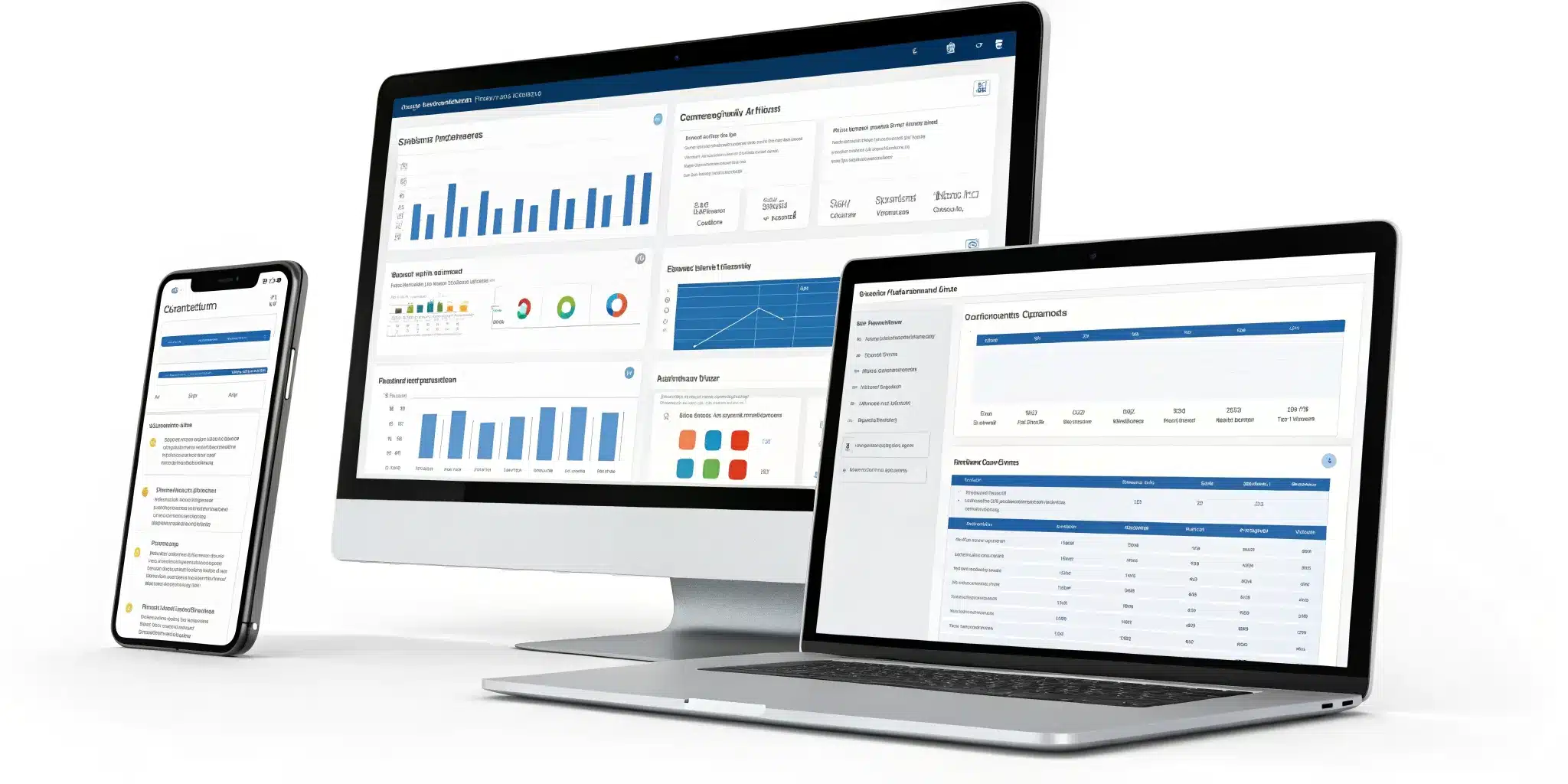
Are you tired of patching together different systems to run your supply chain? Juggling a generic ERP, a separate compliance tool, and various spreadsheets creates data silos and operational friction that your business can’t afford. This disjointed approach is not only inefficient but also risky, especially when dealing with strict pharmaceutical regulations. The modern solution is a single, unified platform where every function works in harmony. A purpose-built serialized inventory management software integrates traceability, operations, and commercial tools into one cohesive system. This guide explains why a unified approach is critical and how it can streamline your processes and eliminate risk.
Key Takeaways
- Serialization Is Your Ultimate Safety Net: By assigning a unique ID to every single item, you gain the power to execute precise recalls, simplify DSCSA compliance, and create a verifiable defense against counterfeit products and theft.
- Prioritize Industry-Specific Solutions: Generic software often requires risky, expensive workarounds. A platform built for your industry, like pharma, will have essential compliance and traceability features integrated from the start, saving you from integration headaches.
- Define Success Before You Buy: The best software solves your specific problems. Before evaluating options, clarify your goals—whether it’s improving recall speed or ensuring audit-readiness—and choose a system with a clear implementation plan and training support to help you achieve them.
What Is Serialized Inventory Management?
At its core, serialized inventory management is about giving every single item in your stock a unique identity. Instead of just knowing you have 100 bottles of a specific medication (a SKU-level count), you assign a distinct serial number to each individual bottle. This lets you track that specific bottle from the moment it enters your warehouse until it reaches its final destination. Think of it as giving each product its own passport, complete with a detailed travel history.
This level of detail is a significant step up from lot or batch tracking, where you only track groups of products. For industries like pharmaceuticals, where precision and traceability are non-negotiable, serialization isn’t just a nice-to-have; it’s a fundamental requirement for safety and compliance. It provides a granular, item-level view of your entire supply chain, which is essential for everything from regulatory reporting to preventing counterfeit products from entering the market. A robust serialized ERP system serves as the central nervous system for this entire process, connecting every data point into a single, coherent picture of your inventory.
How Does Serial Number Tracking Work?
The process begins the moment new inventory arrives. As products are received, each item’s unique serial number is scanned and logged into your inventory management software. From that point on, the system keeps a detailed record of that specific item’s journey. When it’s moved to a different shelf, picked for an order, or shipped to a customer, a quick scan updates its status and location in real-time. This creates an unbroken chain of custody for every single product, giving you a precise, up-to-the-minute understanding of where everything is.
Why Serialization Is a Game-Changer for Your Business
Serialization offers a powerful layer of control and security that directly impacts your bottom line and brand reputation. In the event of a product recall, you can instantly identify and locate every affected unit, down to the exact one, rather than recalling an entire batch. This precision is critical for meeting strict compliance regulations like the DSCSA. It also acts as a formidable defense against counterfeiting and theft, as each item’s authenticity and history can be verified. This detailed tracking ultimately protects your patients and safeguards your business from risk.
What to Expect During Implementation
Implementing a serialization system is a significant undertaking, and it’s wise to go in with clear eyes. The two biggest hurdles are typically data migration and system integration. You’ll need to move massive amounts of detailed product data from your old system to the new one without errors. More importantly, the new software must seamlessly connect with your existing business tools—like accounting, CRM, and warehouse management systems. A disjointed setup creates data silos and defeats the purpose of a unified system. Planning for these challenges and choosing a solution designed for smooth integration is key to a successful transition.
What to Look For in Serialization Software
Choosing the right serialization software feels like a huge decision, because it is. This system will become the backbone of your inventory operations, so it’s important to look beyond the flashy features and focus on the core functionalities that will actually make a difference in your day-to-day. You’re not just buying a tool; you’re investing in a system that needs to provide clarity, integrate smoothly with your existing processes, and keep you on the right side of complex regulations.
The best software gives you a complete, real-time picture of your entire supply chain, from the moment a product is created to the second it reaches its final destination. It should also be powerful enough to handle your data and smart enough to turn that data into actionable insights. As you evaluate your options, think about how each platform addresses key areas like visibility, integration, compliance, and analytics. A solution that excels in these categories will do more than just track your products—it will help you run a more efficient, secure, and profitable business. Look for a comprehensive set of features that work together to solve your specific challenges.
Real-Time Tracking and Visibility
At its core, serialization is about knowing exactly where every single item is at any given time. Your software should do more than just scan a barcode upon arrival; it needs to provide a live, transparent view of each serialized unit’s journey. Think of it as giving every product its own GPS tracker. You should be able to see whether an item is sitting on a warehouse shelf, in transit on a truck, or in a specific distribution center. This level of granular, serialized ERP tracking is non-negotiable for maintaining control over your inventory, preventing loss, and ensuring products get where they need to go.
Seamless System Integration
Your serialization software can’t operate in a silo. It needs to communicate effortlessly with the other systems that run your business, like your accounting software, CRM, and warehouse management system. A clunky integration can lead to data-entry errors, operational delays, and massive headaches for your team. Look for a solution that offers a unified platform or has proven, easy-to-implement integrations. The goal is a smooth flow of information across your entire organization, ensuring that every department is working from the same accurate, up-to-date data. This prevents the costly and risky process of stitching together multiple generic systems.
Built-In Compliance and Regulatory Support
For industries like pharmaceuticals, compliance isn’t just a best practice—it’s the law. Your serialization software must have robust, built-in features to help you meet complex regulatory requirements like the Drug Supply Chain Security Act (DSCSA). This means the system should automatically handle traceability, verification, and reporting to keep you audit-ready at all times. Effective compliance tools are crucial for handling recalls efficiently, preventing counterfeit products from entering the supply chain, and protecting both your business and your customers. Don’t treat this as an add-on; it should be a core function of the software.
Advanced Reporting and Analytics
Tracking your inventory is one thing, but understanding the story your data tells is another. The best serialization software comes with powerful reporting and analytics tools that help you spot trends, identify bottlenecks, and improve your processes. For example, by analyzing data from serialized items, you can trace quality control issues back to a specific batch or production line. These business intelligence analytics transform your inventory data from a simple record into a strategic asset, allowing you to make smarter, data-driven decisions that strengthen your entire supply chain.
An Intuitive, Mobile-Friendly Interface
A powerful system is only effective if your team can actually use it. A complicated, confusing interface will slow down adoption and lead to frustrating errors. Look for software with a clean, intuitive design that’s easy for everyone to learn, from warehouse staff to the C-suite. Given that much of the work happens on the go, mobile access is essential. Your team needs to be able to scan items, check inventory levels, and access data from a phone or tablet anywhere, anytime. Modern features like an AI chat can also simplify complex queries, making powerful data accessible through simple conversation.
A Rundown of the Top Serialization Software
Now that you know what to look for, let’s explore some of the leading serialization software options on the market. Each platform has its own strengths, and the best choice really depends on your industry, company size, and specific operational needs. From industry-specific powerhouses to more general-purpose tools, this list covers the top contenders that can help you get a handle on your serialized inventory. We’ll look at what makes each one stand out so you can get a clearer picture of which solution might be the right fit for your business.
RxERP: Built by Pharma, for Pharma
If you’re in the pharmaceutical industry, RxERP is a name you need to know. This platform was designed from the ground up with pharma in mind, which means its entire focus is on helping you meet strict compliance regulations like the DSCSA. It provides a serialized ERP that streamlines the tracking of products all the way from the manufacturing line to the final distributor, ensuring every step is documented and secure. Because it’s purpose-built, it integrates smoothly into the complex pharmaceutical supply chain, offering a complete solution that combines traceability, operations, and commercial tools without needing to patch together multiple generic systems.
NetSuite Advanced Inventory Management
NetSuite is a big name in the ERP space, and its Advanced Inventory Management module brings robust serialization to the table. This solution is great for businesses that need to track inventory with a high level of detail across multiple warehouses or locations. It gives you real-time visibility into your stock, which is essential for making quick, informed decisions. One of NetSuite’s biggest advantages is that it’s part of a larger ecosystem. If you’re already using other NetSuite modules for financials or CRM, adding inventory management creates a unified system that can improve your overall operational flow.
SAP Extended Warehouse Management
For large companies with complex logistics, SAP Extended Warehouse Management (EWM) is a powerful contender. This system offers sophisticated features for managing serialized inventory right down to the individual item level. It’s designed to optimize everything that happens within your warehouse walls, from receiving to shipping, while ensuring you stay compliant with serialization mandates. SAP EWM is built to scale, making it a solid choice for global enterprises that are managing vast and complicated supply chains and need a system that can grow with them without missing a beat.
Oracle Inventory Management Cloud
Oracle’s cloud-based approach offers a flexible and scalable solution for businesses of all sizes. The Oracle Inventory Management Cloud includes serialization features that help you track products from start to finish. What sets it apart are its powerful reporting and analytics tools. These features allow you to dig deep into your inventory data to find trends, monitor performance, and ensure you’re meeting compliance standards. Being on the cloud means it can adapt as your business grows, giving you a future-proof platform for managing your serialized products without heavy upfront infrastructure costs.
Fishbowl Inventory
If you’re a small or medium-sized business that finds larger ERP systems a bit intimidating, Fishbowl Inventory might be the perfect fit. It’s known for its user-friendly interface, which makes managing serialized inventory much more approachable. The software includes all the essential features you need, like barcode scanning and real-time inventory updates, to maintain accurate records without a steep learning curve. Fishbowl also plays well with others, integrating with popular accounting software like QuickBooks, which helps streamline your financial and operational workflows into one cohesive process.
inFlow Inventory
Another excellent option designed with small businesses in mind is inFlow Inventory. This software makes it simple to track individual items using serial numbers. Its interface is clean and intuitive, so you and your team can get up and running quickly. Like Fishbowl, it supports barcode scanning to make receiving, moving, and shipping products fast and accurate. inFlow also provides straightforward reporting tools that give you a clear overview of your inventory performance, helping you make smarter decisions about stock levels and sales without getting bogged down in overly complex data.
How Do the Top Solutions Stack Up?
Choosing the right software can feel like a huge commitment, but breaking it down makes the decision much clearer. While one platform might look great on paper, its true value comes down to three key areas: how much it really costs, whether its features align with your daily operations, and what actual users think about it. Let’s look at how the top solutions compare in these critical areas so you can find the best fit for your business.
Breaking Down Pricing and Total Cost
Software pricing isn’t always straightforward. Beyond the monthly subscription, you need to consider the total cost of ownership, which includes implementation, training, and ongoing support. Some solutions are designed for smaller businesses with more transparent pricing. For instance, Zoho Inventory is known as an “affordable, feature-rich option,” while AccountMate offers a comprehensive solution at competitive pricing.
For pharmaceutical companies, however, the calculation must also include the price of non-compliance. A cheaper, generic system that can’t handle DSCSA requirements could end up costing you far more in the long run. When evaluating options, think about the value of a purpose-built platform that includes compliance tools from the start, saving you from costly add-ons and workarounds.
A Side-by-Side Feature Comparison
At its core, serialized inventory tracking is about assigning a unique identifier to each item and following it through the supply chain. As one expert notes, this is essential for high-value goods, allowing you to “manage and track items effectively throughout their lifecycle.” Your software should make it easy to log serial numbers when products arrive and always know where a specific item is, whether it’s in your warehouse or with a customer.
The real difference between platforms lies in how they deliver this functionality. An all-in-one system like RxERP was built specifically for pharma, so serialized traceability is woven into every part of the platform. In contrast, a generic ERP might offer serialization as an advanced module that feels bolted on, leading to integration headaches and gaps in your workflow.
What Real Users Are Saying
Feature lists and demos only tell part of the story. User reviews give you a glimpse into what it’s actually like to use the software every day. You’ll find that users often praise platforms like Sortly for being a “user-friendly and flexible inventory management solution,” highlighting its mobile access as a major plus. Positive feedback often centers on how a system simplifies complex tasks, like logging purchase orders and generating reports to track inventory levels.
For businesses in the pharmaceutical supply chain, usability is directly tied to safety and compliance. A clunky interface can lead to data entry errors, while an intuitive system empowers your team to maintain accurate records with confidence. As you read reviews, look for feedback from companies similar to yours and pay attention to how well the software handles the unique challenges of your industry.
How Serialization Benefits Different Industries
Serialization isn’t just a technical process; it’s a strategic tool that solves different problems for different industries. While the core function—assigning a unique ID to each item—remains the same, the why behind it changes dramatically depending on what you sell. For some, it’s about meeting ironclad legal requirements and ensuring public safety. For others, it’s about protecting brand reputation, preventing theft, and managing complex recalls. Understanding these industry-specific applications is key to seeing the full value of a serialized inventory system. It helps you move beyond simply tracking items to actively protecting your business, your partners, and your customers.
Meeting Strict Compliance in Pharma and Healthcare
Nowhere is serialization more critical than in the pharmaceutical and healthcare industries. Here, it’s not just a best practice—it’s the law. Regulations like the Drug Supply Chain Security Act (DSCSA) mandate item-level traceability to protect patients from counterfeit, stolen, or contaminated medications. A unique serial number on every saleable unit allows you to track a product from the moment it’s made to the moment it reaches the pharmacy. This creates an unbroken chain of custody that is essential for verifying authenticity and fighting the opioid crisis. For pharmaceutical companies, serialized inventory is the foundation of a secure and compliant supply chain, ensuring patient safety and regulatory adherence are always top priorities.
Ensuring Full Traceability for Manufacturing and Electronics
In industries like electronics and general manufacturing, product recalls are a constant risk. A single defective component can affect thousands of units, leading to costly recalls and significant damage to your brand’s reputation. Serialization is a game-changer here. If a faulty batch of processors is discovered in a line of laptops, you can use serial numbers to pinpoint exactly which devices are affected. This allows for targeted recalls instead of massive, expensive ones. This level of full traceability means you can quickly isolate problems, notify the right customers, and protect your brand’s integrity by demonstrating swift, responsible action. It turns a potential crisis into a manageable issue.
Protecting High-Value and Luxury Goods
If you sell items like designer handbags, high-end electronics, or fine jewelry, you’re facing a dual threat: theft and counterfeiting. Serialization is one of your strongest lines of defense. Assigning a unique serial number to each high-value item makes it incredibly difficult for counterfeit products to enter your supply chain and easier to recover stolen goods. It also simplifies warranty management and returns, as you can verify the authenticity and purchase history of each specific item. For retailers in these niches, a robust inventory management system that can track individual items isn’t a luxury; it’s a fundamental requirement for protecting your assets and maintaining customer trust.
Maintaining Quality Control in the Automotive Sector
In the automotive industry, safety and reliability are non-negotiable. A single faulty part can have catastrophic consequences. Serialized inventory is crucial for maintaining stringent quality control throughout the production process. By tracking individual components—from airbags to engine parts—manufacturers can trace any defects back to their exact origin, whether it’s a specific machine, a batch of raw materials, or a particular shift. This allows companies to quickly identify and fix issues in their production line before they become widespread problems. This granular level of oversight not only ensures that every vehicle meets the highest safety standards but also helps streamline operations and reduce waste.
How to Choose the Right Serialization Software
Picking the right serialization software feels like a huge decision, because it is. This isn’t just about buying a new tool; it’s about choosing a foundational system that will impact your operations, compliance, and even your bottom line for years to come. The best software for your business won’t just tick a few feature boxes—it will feel like a natural extension of your team. It should understand the nuances of your industry, align with your specific goals, and come with a clear path for implementation and team training.
To find the right fit, you need to look beyond the sales pitch and think critically about three key areas: how well the software aligns with your industry and scale, what success actually looks like for your company, and what it will take to get the system up and running smoothly. Getting clear on these points before you start scheduling demos will help you cut through the noise and focus on the solutions that can truly support your business. It’s about finding a partner, not just a provider, who can help you manage your inventory with confidence and precision.
Finding the Perfect Fit for Your Industry and Scale
Not all serialization software is built for the same purpose. A system designed for tracking consumer electronics will fall short when it comes to the complex regulatory demands of the pharmaceutical supply chain. Your first step is to filter for solutions designed specifically for your world. If you’re in pharma, you need a system that lives and breathes DSCSA compliance. If you handle high-value luxury goods, your focus might be more on anti-counterfeiting and brand protection. The key is to find a platform that speaks your industry’s language. Also, consider your scale. A solution that works for a small, local distributor might not have the power to handle a global manufacturing operation. Be realistic about your current volume and future growth plans to ensure you choose a system that can grow with you.
Defining and Measuring Your Success
Before you can find the right solution, you need to know what problem you’re trying to solve. What does a “win” look like for your company? For many in the pharmaceutical space, success starts with airtight compliance, but it shouldn’t end there. Think bigger. Do you want to improve quality control by tracing issues back to their source? Or maybe you want to streamline your recall process, turning a potential crisis into a manageable event. The right software can be a game-changer in these areas. Define your key performance indicators (KPIs) upfront. This could be reducing the time it takes to trace a product, lowering inventory carrying costs, or eliminating shipping errors. Having these metrics will help you evaluate how different platforms and their business intelligence analytics can deliver real, measurable results.
Planning Your Implementation and Training
Even the most powerful software is only effective if it’s implemented correctly and your team knows how to use it. Implementation can be a heavy lift, often involving complex data migration and integration with your existing systems, like accounting and sales platforms. Ask potential vendors detailed questions about their onboarding process. How will they help you move your data? What does their integration support look like for the tools you already use? A vendor who offers a clear, structured implementation plan is a great sign. Equally important is training. A system with an intuitive interface is a good start, but comprehensive training ensures your team can use the software to its full potential from day one, leading to better efficiency and a faster return on your investment.
Related Articles
- A Guide to Serialized Inventory Management Systems – RxERP
- A Guide to Modern Pharma Inventory Management – RxERP
Frequently Asked Questions
What’s the practical difference between lot tracking and serialization? Think of it this way: lot tracking tells you which batch a product came from, which is helpful. Serialization tells you the unique story of one single product. If a problem arises, lot tracking forces you to recall the entire batch out of caution. With serialization, you can identify and pull that one specific, affected item, leaving all the other perfectly good products on the shelf. It’s the difference between a blunt instrument and a surgical tool for managing your inventory.
We’re a smaller distributor. Is a full serialization system overkill for us? That’s a fair question, but compliance and patient safety don’t depend on company size. Regulations like the DSCSA apply to everyone in the supply chain. While it might seem like a big investment, a proper serialization system is actually a protective measure for a smaller business. It safeguards you from the massive financial and reputational risks of a recall or a compliance issue, and it builds a scalable foundation that allows your business to grow without hitting a wall.
Why can’t I just use a generic ERP system for serialization? You could, but it’s often like trying to fit a square peg in a round hole. Most generic ERPs treat serialization as an afterthought or a clunky add-on module. This can lead to data silos, integration headaches, and critical gaps in meeting specific pharmaceutical regulations. A system built specifically for pharma, on the other hand, has serialization and compliance woven into its DNA, ensuring every part of the platform works together seamlessly for your unique needs.
How disruptive is the implementation process? Let’s be honest, implementing any new core system is a significant project. The key to minimizing disruption is choosing a partner who provides a clear, structured plan. The process involves migrating your existing product data and integrating the new software with your other business tools. A good provider will guide you through every step, from data cleanup to team training, to ensure the transition is as smooth as possible and your team feels confident using the new system from day one.
Beyond meeting DSCSA rules, what’s the biggest business advantage of serialization? The biggest advantage is gaining an incredible level of control over your operations. Compliance is the starting point, but the real value comes from the precision it provides. You can instantly trace and resolve shipping errors, pinpoint the source of quality control issues, and get a real-time view of your entire supply chain. This detailed insight helps you make smarter decisions, reduce waste, and protect your business from theft and counterfeiting, which directly impacts your bottom line.