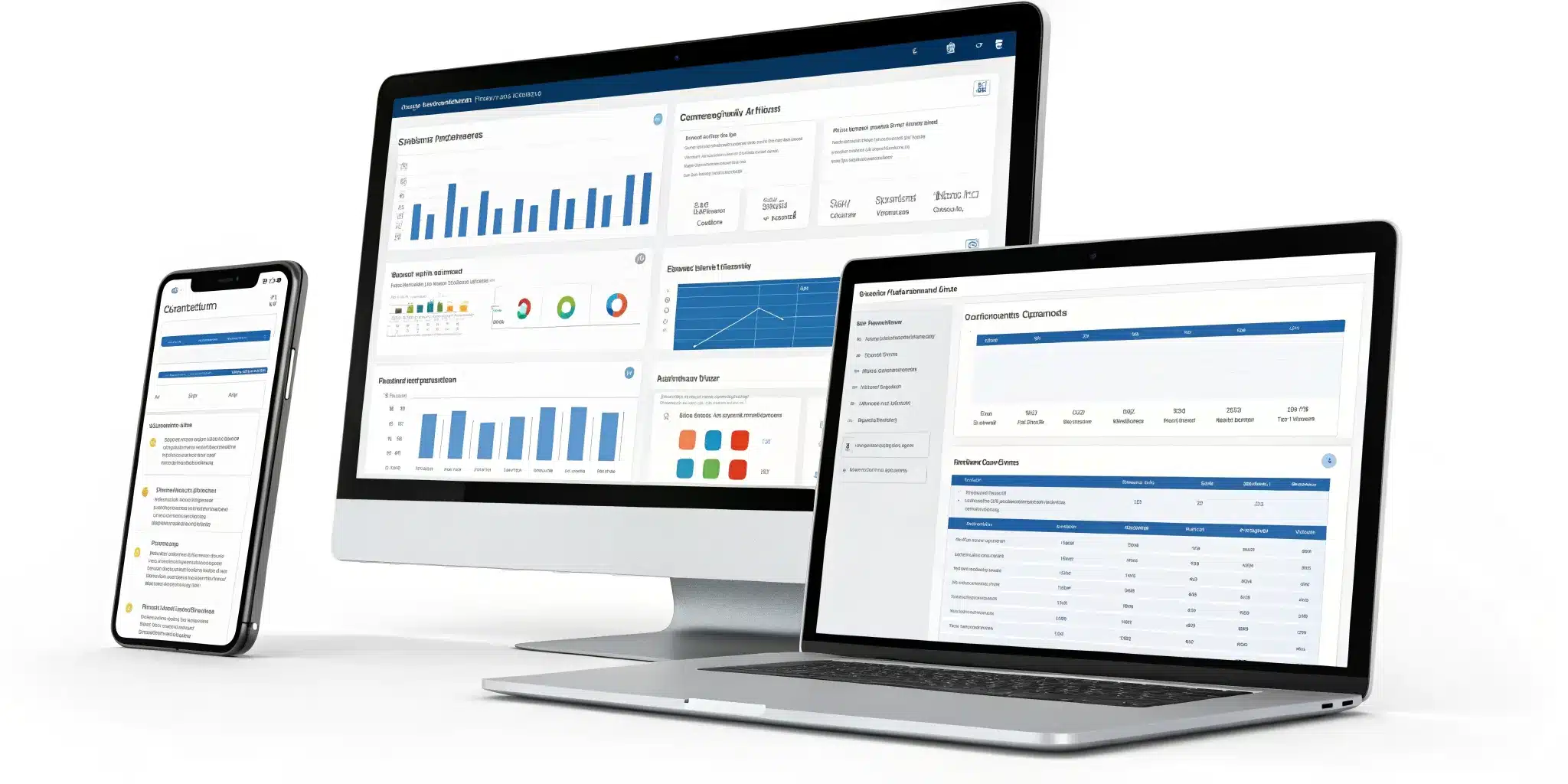
Let’s be honest: the word “audit” can send a shiver down anyone’s spine. It often means dropping everything to pull records, prove your processes, and answer endless questions from regulators. But what if it didn’t have to be that way? What if you could face an audit with confidence, knowing all your evidence was already collected, organized, and ready to go? This is the reality that compliance reporting automation software delivers. By integrating with your existing systems and continuously monitoring your activities, it creates a live, up-to-the-minute picture of your compliance status, turning a chaotic, manual scramble into a smooth, predictable workflow.
Key Takeaways
- Shift from Reactive to Proactive Compliance: Relying on spreadsheets for compliance is slow and invites costly errors. Automation handles the repetitive work of evidence collection and monitoring, freeing your team to focus on strategy and ensuring you’re always prepared for an audit.
- Select a Tool That Speaks Your Language: Generic compliance software can’t handle the nuances of the pharmaceutical industry. Prioritize a solution built specifically for regulations like DSCSA to ensure your unique traceability and reporting needs are met without risky, time-consuming customizations.
- Focus on Long-Term Value and Integration: The best compliance tool fits seamlessly into your existing workflow and grows with you. Look beyond the initial price to evaluate its integration capabilities, ease of use for your team, and the total cost savings from avoided fines and reduced manual work.
What is Compliance Reporting Automation Software?
Think of compliance reporting automation software as your smartest, most detail-oriented team member—the one who handles the repetitive, rule-based work so you can focus on the bigger picture. At its core, this software helps your company manage complex regulations and cybersecurity needs. It automates the tedious tasks required to stay compliant, like collecting evidence, monitoring controls, managing policies, and getting everything in order for an audit. Instead of chasing down data from a dozen different spreadsheets and systems, the software does the heavy lifting for you.
For businesses in the pharmaceutical supply chain, this is a game-changer. Regulations like the Drug Supply Chain Security Act (DSCSA) are non-negotiable, and the stakes are incredibly high. Compliance automation platforms streamline the entire process, reducing the immense effort and cost that typically go into managing a robust compliance program. It’s not just about avoiding fines; it’s about building a more resilient and trustworthy operation. By automating these critical tasks, you can transform compliance from a constant headache into a strategic advantage that protects your business and your customers.
How Does It Work?
So, how does this software actually pull it off? It works by integrating with the different technologies you already use, from your ERP and data management platforms to your cloud services. Once connected, the automation tool acts as a central hub. It continuously monitors your systems for activities relevant to your compliance frameworks, automatically collecting the necessary evidence—like logs, screenshots, and configuration files. This creates a live, up-to-the-minute picture of your compliance status. This level of automation delivers greater efficiency, improves accuracy, and streamlines your entire reporting process, turning a chaotic, manual scramble into a smooth, predictable workflow.
Why Manual Reporting Can’t Keep Up
If you’re still relying on spreadsheets and manual checklists, you know the struggle. Manual processes are not only slow and draining, but they’re also incredibly prone to human error. A single typo or missed deadline can lead to a compliance failure, putting your business at risk. As your company grows, these manual methods simply can’t scale to meet the demands of frameworks like SOC 2 or the intricate requirements of the pharmaceutical industry. The reality is that manual reporting creates blind spots. An automated solution closes those gaps, reduces the chance of costly mistakes, and ensures your business is always prepared for an audit.
Must-Have Features in a Compliance Automation Tool
When you start looking at compliance automation software, the options can feel overwhelming. Every tool promises to make your life easier, but not all are built the same. To cut through the noise, you need to focus on the core features that actually move the needle from reactive problem-solving to proactive compliance management. Think of these as the non-negotiables—the features that will save you time, reduce stress during audits, and give you a clear, real-time picture of your compliance status. For industries like pharmaceuticals, where regulations are complex and stakes are high, having the right toolset isn’t just a nice-to-have; it’s essential for staying operational and secure. These features work together to create a single source of truth, turning compliance from a series of frantic sprints into a steady, manageable process.
Real-Time Monitoring and Smart Alerts
The days of quarterly compliance check-ins are long gone. In today’s regulatory environment, you need a system that acts as a constant watchdog. Real-time monitoring provides a continuous view of your compliance posture, flagging issues the moment they arise. This is where smart alerts come in. Instead of drowning you in notifications, a good tool uses intelligent workflows to surface only the most critical risks that require your immediate attention. This allows your team to focus on fixing problems rather than searching for them. It’s about shifting from manual spot-checks to an automated, always-on system that helps you manage and adapt to regulatory requirements before they become violations.
Automated Evidence Collection
If you’ve ever spent weeks gathering screenshots, logs, and policy documents for an audit, you know how draining it can be. Automated evidence collection is a game-changer. The right platform will automatically and continuously gather the proof needed to demonstrate compliance with frameworks like DSCSA or SOC 2. It works in the background, linking your internal controls to tangible evidence without you having to lift a finger. This creates an audit-ready repository of documentation, drastically reducing the time and effort your team spends on prep. This feature alone can transform audits from a dreaded, disruptive event into a streamlined, predictable process, freeing up your team to focus on more strategic work.
Customizable Policy Mapping
Pharmaceutical companies often juggle multiple, overlapping regulations. You might have controls that satisfy requirements for DSCSA, HIPAA, and internal quality standards all at once. Customizable policy mapping lets you connect a single internal control to multiple regulatory frameworks. Instead of proving compliance for each regulation separately, you do it once, and the tool maps that evidence across all relevant standards. This “control once, comply many” approach is incredibly efficient. AI-powered tools can even help standardize compliance data by mapping different requirements to a common model, simplifying how you manage a complex web of rules within a single platform.
Instant Audit Trails and Reporting
Being audit-ready means having a clear, defensible story to tell. Instant audit trails and reporting features give you just that. A strong compliance tool logs every action, change, and approval, creating an immutable record of your compliance activities. When an auditor asks for proof, you can generate a comprehensive report with a few clicks instead of digging through emails and spreadsheets. This not only increases the accuracy of your reporting but also provides invaluable internal visibility. You can easily track progress, identify bottlenecks, and demonstrate due diligence to leadership, making business intelligence and analytics a core part of your compliance strategy.
AI-Powered Regulatory Updates
Regulations are constantly evolving, and keeping up is a full-time job. AI-powered regulatory updates help you stay ahead of the curve. These systems scan thousands of sources—from government websites to regulatory bodies—to identify changes that impact your business. The software can then alert you to the new requirements, perform a gap analysis against your existing controls, and even suggest tasks to close those gaps. This transforms your compliance program from a reactive function into a proactive one. By using AI to automate tasks like real-time regulation updates, you can significantly improve your accuracy and efficiency, ensuring you’re never caught off guard by a new rule.
9 Top Compliance Automation Tools to Consider
With so many compliance automation tools on the market, finding the right one can feel like a challenge. The best software for your business depends entirely on your industry, scale, and specific regulatory needs. Some platforms are built for broad, tech-focused compliance frameworks like SOC 2, while others are designed from the ground up for highly specific industries like pharmaceuticals.
This list covers a range of top-tier options to help you understand the landscape. We’ll look at everything from all-in-one enterprise platforms to specialized tools that solve very specific problems. As you review them, think about your most pressing compliance challenges. Are you struggling with audit preparation, vendor management, or industry-specific regulations like the DSCSA? Your answer will point you toward the solution that offers the most value and the quickest path to peace of mind.
1. RxERP Compliance Tools
RxERP’s compliance tools are purpose-built for the pharmaceutical industry, helping organizations manage complex regulatory requirements with ease. Unlike generic platforms that need heavy customization, RxERP is designed by pharma experts for pharma experts. It integrates compliance directly into your core operations, from manufacturing to distribution.
The platform provides a single source of truth for meeting regulations like the Drug Supply Chain Security Act (DSCSA), with built-in serialized traceability and automated reporting. This eliminates the risk and cost of trying to connect a separate ERP, warehouse management system, and compliance point solution. For pharmaceutical companies, this means less manual work, simplified audits, and confidence that your operations are always aligned with federal and state mandates.
2. Vanta
Vanta is a well-known player in the compliance automation space, helping businesses prepare for and pass audits for security and privacy frameworks. The software is particularly strong for tech-focused standards like SOC 2, ISO 27001, and GDPR. For organizations in the life sciences, its support for HIPAA compliance is a key feature, especially if you handle protected health information (PHI).
Vanta automates evidence collection and continuously monitors your systems to ensure you stay compliant. While it’s a powerful tool for demonstrating security posture to partners and customers, it isn’t specifically designed for the pharmaceutical supply chain. You’ll find it’s best suited for managing IT and data security compliance rather than product traceability regulations.
3. Drata
Drata specializes in continuous compliance monitoring, making it a favorite among cloud-based and software companies. Its platform connects to your tech stack to automatically collect evidence of your security controls, providing real-time visibility into your compliance status through audit-ready dashboards. This “always-on” approach helps you move away from the frantic, last-minute rush before an audit.
Like Vanta, Drata excels at managing frameworks such as SOC 2, ISO 27001, and HIPAA. Its strength lies in automating the technical checks required for these standards. For a pharmaceutical company, Drata could be a great choice for securing your cloud infrastructure or software platforms, but it would need to be paired with a specialized solution like RxERP to handle supply chain regulations.
4. Secureframe
Secureframe helps companies streamline compliance by automating tasks, generating policies, and managing vendor risk. It supports over a dozen security and privacy frameworks, making it a versatile option for businesses that need to adhere to multiple standards at once. One of its standout features is its vendor risk management module, which is critical for any company relying on third-party suppliers—a constant in the pharmaceutical world.
The platform is designed to be user-friendly, guiding you through the process of becoming and staying compliant. For technology-driven life sciences companies, Secureframe offers a solid foundation for building a comprehensive security program and ensuring your partners meet your standards.
5. Hyperproof
Hyperproof is built for larger organizations with mature security teams and complex compliance needs. It goes beyond simple audit prep to offer a full-fledged compliance operations platform, complete with advanced risk management and automated task management. This tool is ideal for enterprises that are juggling multiple regulations across different departments and business units.
If your organization has a dedicated compliance team, Hyperproof provides the power and flexibility needed to manage intricate programs. It helps you map controls across various frameworks, so you don’t have to duplicate work. It’s a robust solution for large pharmaceutical companies looking to centralize their enterprise-wide compliance and risk management efforts in one place.
6. Cynomi
Cynomi carves out a unique niche by focusing specifically on IT service providers (MSPs and MSSPs). The platform empowers these providers to offer compliance-as-a-service to their clients. It uses AI to conduct virtual CISO assessments, generate tailored security policies, and create actionable remediation plans.
While a pharmaceutical company wouldn’t typically purchase Cynomi directly, it’s a tool worth knowing about if you outsource your IT or cybersecurity. If your MSP uses a platform like Cynomi, it means they have a structured, automated way to manage your security and compliance posture. This can give you added assurance that your technology partner is equipped to handle the stringent requirements of the healthcare and pharmaceutical industries.
7. MetricStream
MetricStream is a comprehensive Governance, Risk, and Compliance (GRC) platform designed for large enterprises. It offers a suite of interconnected solutions that help organizations manage everything from internal audits and policy management to third-party risk and regulatory compliance. This isn’t just a tool for passing an audit; it’s a system for embedding risk-aware decision-making across the entire business.
For major pharmaceutical corporations, MetricStream provides a way to connect high-level business objectives with day-to-day operational controls. Its ability to streamline and visualize complex risk and compliance data makes it a powerful choice for organizations that need a holistic view of their GRC landscape and want to foster a stronger culture of compliance.
8. ServiceNow GRC
Many large enterprises already use ServiceNow for IT Service Management (ITSM) and other business workflows. The ServiceNow GRC module extends this familiar platform to include integrated risk management, policy and compliance management, and audit management. This creates a unified environment where you can manage IT tickets, business projects, and compliance tasks all in one place.
The biggest advantage here is integration. If your company is already invested in the ServiceNow ecosystem, adopting its GRC solution can be a seamless way to automate compliance workflows and improve visibility. You can directly link compliance controls to your IT assets and business processes, creating a clear and auditable trail.
9. LogicGate
LogicGate stands out for its highly flexible and customizable platform, which allows organizations to build risk and compliance processes that fit their exact needs. Instead of forcing you into a rigid, pre-defined workflow, LogicGate provides a no-code builder that lets you design your own applications for everything from policy management to incident response.
This adaptability is perfect for companies with unique operational processes or those in rapidly evolving regulatory environments like the pharmaceutical industry. If standard, off-the-shelf solutions don’t quite match how your team works, LogicGate gives you the power to create a tailored compliance management system without writing a single line of code.
Who Needs Compliance Automation the Most?
While any company juggling regulations can benefit from automation, some industries are practically built on a foundation of compliance. For these businesses, adhering to strict rules isn’t just a good practice—it’s a license to operate. Highly regulated fields like healthcare, finance, and manufacturing face a constant stream of complex requirements where a single misstep can lead to crippling fines, operational shutdowns, or severe damage to their reputation. The sheer volume of data and documentation required makes manual tracking nearly impossible.
This is where compliance automation becomes a strategic advantage. It shifts compliance from a reactive, stressful scramble into a proactive, integrated part of daily operations. Instead of pulling your team into a fire drill every time an audit is announced, automation works quietly in the background, continuously collecting evidence, monitoring controls, and flagging potential issues before they become major problems. For companies in these high-stakes environments, it’s the most reliable way to maintain accuracy, ensure readiness, and turn a significant business risk into a well-managed process.
Healthcare and Pharmaceuticals
Nowhere are the stakes higher than in healthcare and pharmaceuticals. Here, compliance is directly linked to patient safety. Regulations like HIPAA protect patient data, while laws like the Drug Supply Chain Security Act (DSCSA) are designed to secure the drug supply chain from counterfeit or compromised products. For pharmaceutical companies, this means tracking every single unit from the factory to the pharmacy. Automation provides the serialized traceability needed to manage this immense data load, ensuring every transaction is documented and verifiable. It’s about creating a transparent supply chain where product integrity is guaranteed.
Financial Services
The financial services industry runs on trust and data. To protect both, companies must adhere to a dense web of regulations like the Sarbanes-Oxley Act (SOX), PCI DSS for payment card data, and GDPR for customer privacy. Compliance automation software helps these organizations manage everything from data collection and risk assessments to continuous monitoring of internal controls. It ensures that sensitive financial information is handled correctly, reducing the risk of breaches and fraud. For banks, investment firms, and fintech companies, automation is essential for maintaining the integrity of their systems and the confidence of their customers.
Manufacturing and Supply Chain
For manufacturers, compliance touches every part of the operation, from the raw materials coming in the door to the safety of the workers on the factory floor. They have to manage quality control standards, environmental regulations, and workplace safety rules from agencies like OSHA. Automating compliance reporting offers a huge advantage by increasing efficiency and improving accuracy. It helps businesses document processes, track materials, and generate the necessary reports to prove they are meeting standards. In a global supply chain, this creates a clear, auditable trail that ensures consistency and quality across the board.
Tech and SaaS
In the tech world, especially for SaaS companies, compliance is often the key to landing larger deals. Enterprise customers won’t sign on without proof that you can protect their data, which means demonstrating adherence to frameworks like SOC 2 and ISO 27001. Manually preparing for these audits can pull entire engineering teams away from product development for weeks. Compliance automation tools streamline this by continuously gathering evidence and monitoring security controls. This not only makes audits faster and less disruptive but also turns strong security posture into a powerful sales tool.
Comparing the Tools: Pricing and User Experience
Once you’ve shortlisted a few compliance automation tools, it’s time to look closer at how they’ll fit into your daily operations and budget. The sticker price rarely tells the whole story, and a tool that looks great in a demo can become a headache if it’s difficult to use or doesn’t connect with your other systems. Thinking through pricing, user experience, and integrations will help you find a solution that not only works on paper but also works for your team. A little due diligence here saves a lot of frustration down the road.
Understanding Pricing Models
When you start looking at pricing, it’s easy to get sticker shock. Some compliance automation tools can have significant annual fees, and that’s often before you factor in the cost of the audit itself. Instead of just looking at the upfront price, think about the total cost over time and how much it saves you in manual work and potential audit disruptions. A platform that seems more expensive initially might actually offer a better return by preventing costly errors or freeing up your team’s time. Calculate the long-term value by weighing the subscription cost against the hours your team will save and the financial risk of non-compliance.
Evaluating Ease of Use
A powerful tool is only effective if your team can actually use it. Before committing, ask yourself: Is this platform intuitive enough for my team to learn quickly and use every day? A clunky interface or a steep learning curve can lead to low adoption, defeating the purpose of the investment. The goal is to find a tool that simplifies compliance, not one that adds another layer of complexity. A user-friendly platform not only makes your team more efficient but also demonstrates a commitment to security and process, which can enhance customer trust. Always ask for a trial or a team demo to get a real feel for the user experience.
Checking for Critical Integrations
Your compliance software shouldn’t operate in a silo. For it to be truly effective, it needs to connect seamlessly with the tools you already use. Make sure the platform works well with your existing systems, whether it’s your cloud services, inventory management, or ERP. In the pharmaceutical supply chain, this is non-negotiable. The right tool will pull data from your other systems to automate evidence collection and reporting, creating a single source of truth for compliance. Without strong integrations, you’ll find your team is still stuck manually transferring data, which is exactly the problem you’re trying to solve.
The Big Wins: Key Benefits of Automation
Switching to an automated compliance system isn’t just about getting a new piece of software; it’s about fundamentally changing how your team operates. Instead of constantly reacting to regulatory deadlines and scrambling for audit requests, you can build a proactive, streamlined process that runs quietly in the background. This shift frees up your team to focus on strategic initiatives rather than getting bogged down in manual, repetitive tasks.
Think about the hours spent chasing down data, cross-referencing spreadsheets, and manually compiling reports. Automation handles these tasks consistently and accurately, giving your team the breathing room they need to innovate and grow the business. It transforms compliance from a source of stress and a cost center into a strategic advantage. By embedding compliance into your daily operations, you create a more resilient, efficient, and secure business. The benefits go far beyond just checking a box; they impact your team’s morale, your operational efficiency, and your bottom line.
Less Manual Work, Fewer Human Errors
Let’s be honest: manual data entry is tedious and prone to mistakes. A single typo or misplaced decimal can create a cascade of problems, especially in the highly regulated pharmaceutical industry. Compliance automation tools take over these repetitive tasks, from collecting evidence to filling out reports. This dramatically reduces the risk of human error that can lead to compliance breaches or failed audits. By automating the busywork, you ensure that your data is consistent and reliable, and your team can focus on analysis and decision-making instead of mind-numbing data entry. This is a core function of modern compliance tools.
Faster, Stress-Free Audits
The word “audit” can send a shiver down anyone’s spine. It often means dropping everything to pull records, prove compliance, and answer endless questions. Automation turns this frantic scramble into a calm, organized process. The software continuously collects and organizes the necessary evidence in real-time, creating an audit-ready trail of all compliance activities. When auditors come knocking, you can generate the reports they need with a few clicks. Instead of spending weeks preparing, your team can produce comprehensive documentation almost instantly, making audits faster and far less stressful. This level of readiness is especially critical for maintaining a serialized ERP system.
Greater Compliance Accuracy
In the pharmaceutical supply chain, accuracy isn’t just a goal; it’s a requirement. Automated systems enforce consistency and validate data across all your regulatory reports, eliminating the guesswork and variability of manual processes. Some studies show that automated reporting can slash reporting time by up to 70% while significantly reducing compliance risks. This precision ensures that your reports are not only submitted on time but are also correct, helping you meet complex regulations like the Drug Supply Chain Security Act (DSCSA) without the constant worry of inaccuracies slipping through the cracks.
Significant Cost and Time Savings
Automating compliance workflows directly impacts your budget and your team’s productivity. By reducing manual labor and preventing costly errors, companies can see significant cost reductions. More importantly, it gives you back your most valuable resource: time. When your compliance experts aren’t bogged down with administrative tasks, they can focus on higher-value work that drives the business forward. This efficiency boost is compounded by tools that offer financial automation, which can streamline everything from invoicing to revenue recognition, creating a leaner, more effective operation.
Common Implementation Hurdles (And How to Clear Them)
Switching to a new compliance system is a big move, and it’s smart to anticipate the roadblocks. While every company’s journey is different, a few common challenges tend to pop up. The good news is that with the right approach and the right partner, these hurdles are entirely manageable. Let’s walk through the big ones and talk about how to clear them so you can get to the benefits faster.
Tackling Data Silos and Integration
One of the biggest headaches in compliance is getting all your different systems to talk to each other. You might have one tool for inventory, another for customer data, and a separate solution for DSCSA reporting. This creates data silos, where critical information gets trapped. Effective compliance automation depends on integrating these technologies so data can flow freely. The best way to clear this hurdle is to choose a platform that was built to be unified from the start. A purpose-built system with a serialized ERP at its core eliminates the need to stitch together multiple, generic solutions, ensuring all your data is accessible and accurate in one place.
Encouraging Team Adoption and Training
A powerful new tool is only effective if your team actually uses it. It’s completely normal for people to resist change, and user adoption is a significant hurdle for many digital projects. The key is to make the transition as smooth as possible. This starts with choosing intuitive software that doesn’t require a steep learning curve. Look for a provider that offers comprehensive training and ongoing support. Features like an integrated AI Chat can also help by giving your team instant answers to their questions, making them feel more comfortable and confident as they learn the new system. When your team feels supported, they’re much more likely to embrace the change.
Keeping Pace with Changing Regulations
In the pharmaceutical industry, regulations are not static—they evolve. Staying on top of every update to rules like the DSCSA can feel like a full-time job. A manual approach makes it nearly impossible to keep up, leaving you exposed to risk. This is where automation truly shines. A modern compliance platform uses technology to monitor regulatory changes and update its systems accordingly. This adaptability is crucial. By choosing a solution that is laser-focused on pharmaceutical compliance, you can trust that the software is evolving alongside the industry, helping you stay ahead of new requirements without constant manual effort.
Managing Costs and Proving ROI
The upfront investment for a new software system can seem daunting, and justifying the cost is a critical step. Instead of viewing it as an expense, it’s helpful to frame it as an investment with a clear return. The ROI comes from multiple places: drastically reduced manual hours, fewer human errors that lead to costly fixes, and the avoidance of hefty non-compliance fines. An all-in-one platform also provides value by consolidating the costs of multiple disparate systems. Tools that offer business intelligence analytics can help you track these improvements, making it easy to demonstrate the positive financial impact on your operations.
What to Expect: Implementation and Support
Choosing the right compliance automation software is a huge milestone, but it’s really just the beginning of the journey. The next phase—implementation and onboarding—is where the partnership with your chosen provider truly comes to life. This isn’t just about installing a new program; it’s about weaving a new system into the fabric of your operations. It involves integrating technologies, migrating data, and, most importantly, getting your team comfortable with new workflows.
A great software provider acts as your guide through this process. They understand that every pharmaceutical business is unique, with its own set of existing systems and operational challenges. They’ll work with you to map out a clear path to go-live, ensuring every piece of the puzzle fits together smoothly. From your serialized ERP to your warehouse management system, the goal is to create a single, cohesive environment where compliance happens automatically. This collaborative approach is what separates a simple software vendor from a true technology partner who is invested in your success.
Your Onboarding and Go-Live Timeline
One of the first questions everyone asks is, “How long will this take?” The honest answer is: it depends. Your go-live timeline is shaped by the complexity of your current infrastructure and the specific compliance needs of your organization. Integrating a new compliance platform often means connecting it with multiple existing technologies, from data management systems to reporting tools. A good provider will start with a thorough discovery process to understand your environment and then build a realistic, phased implementation plan. This ensures a smooth transition without disrupting your critical day-to-day operations. The process is tailored to the specific needs of the clients they serve, whether you’re a manufacturer, distributor, or 3PL.
Finding Training and Documentation
Even the most powerful software is only effective if your team knows how to use it. That’s why comprehensive training and clear documentation are non-negotiable. As you evaluate different tools, look for providers who invest heavily in user education. Do they offer live training sessions, on-demand video tutorials, and a searchable knowledge base? Strong training materials ensure that everyone, from the C-suite to the warehouse floor, can use the software confidently. A robust library of resources is a great sign that a company is committed to helping its customers succeed long after the initial sale is complete. This support helps your team get the most out of the platform’s features from day one.
Accessing Ongoing Support and Updates
Compliance is never static. Regulations like the DSCSA evolve, and your software must adapt right along with them. This makes ongoing support and regular updates absolutely critical. Before you sign a contract, make sure you understand the provider’s support structure. Can you easily reach a knowledgeable human when you have a question or run into an issue? Your provider should be a proactive partner in keeping your operations compliant, automatically pushing updates to reflect the latest regulatory changes. This continuous support is essential for navigating the complexities of pharmaceutical compliance and ensuring your business is always audit-ready, secure, and efficient.
How to Choose the Right Software for Your Business
Finding the right compliance automation software feels a lot like choosing a business partner. You need a tool that understands your world, fits in with your current team and systems, and is prepared to grow with you. With so many options on the market, it’s easy to get lost in feature lists and sales pitches. The key is to step back and define what you truly need before you start scheduling demos. By focusing on your specific industry requirements, integration capabilities, and long-term value, you can cut through the noise and select a solution that genuinely supports your business goals and keeps you ahead of regulatory demands.
Assess Your Industry-Specific Needs
Compliance isn’t a one-size-fits-all problem, especially in highly regulated fields like pharmaceuticals. A generic tool might cover broad standards, but it will likely miss the critical details your business lives and breathes every day. Before you look at any software, map out the specific regulations you must follow. For companies in the pharmaceutical supply chain, this means thinking deeply about requirements like the Drug Supply Chain Security Act (DSCSA). Does the software understand serialized tracking? Can it handle the specific reporting formats required by the FDA? A platform built for your industry will have these answers baked in, saving you from risky workarounds and manual patches down the line.
Evaluate Integration and Scalability
Your compliance tool can’t operate on an island. It needs to communicate seamlessly with the other systems that run your business, from your inventory management and financial software to your CRM. When evaluating a solution, ask how it will connect with your existing tech stack. A platform with robust integration capabilities prevents data silos and ensures that your compliance efforts are based on a single source of truth. Beyond current needs, think about the future. Will this software scale with you as you add new products, enter new markets, or face evolving regulations? The right tool should support your growth, not hold you back.
Plan Your Budget and Calculate Long-Term Value
It’s tempting to focus on the upfront cost, but the true value of compliance software lies in its long-term return on investment. Think beyond the subscription price and consider the costs it helps you avoid: fines for non-compliance, hours of manual labor spent on audits, and the reputational damage from a security breach. Modern tools that use AI-powered analytics can automate tasks and provide insights that significantly reduce risk and improve efficiency. By calculating the potential savings in time, resources, and avoided penalties, you can make a strong business case for a tool that might have a higher initial price but delivers far greater value over time.
Related Articles
- Your Essential DSCSA Audit Readiness Checklist – RxERP
- How to Choose the Right DSCSA Compliance Software – RxERP
- Drug Supply Chain Security Act – Understanding DSCSA Compliance
Frequently Asked Questions
We’re a smaller distributor. Is compliance automation software overkill for us? Not at all. In fact, automation can be a huge advantage for smaller companies. It handles the time-consuming, detail-oriented work that might otherwise require a dedicated team you don’t have the budget for. Instead of drowning in spreadsheets to track compliance, the software does the heavy lifting, which frees up your team to focus on growing the business. It levels the playing field, allowing you to maintain the same high standards of compliance as much larger organizations without the enterprise-level headcount.
My current ERP has some compliance features. Why do I need a separate tool? That’s a great question, and it highlights a common challenge. Many generic ERPs have compliance modules, but they often feel like a bolt-on feature rather than a core part of the system. For the pharmaceutical industry, compliance isn’t an add-on; it’s central to everything you do. A purpose-built platform integrates serialized traceability and regulatory reporting directly into your daily operations. This eliminates the risk and hidden costs that come from trying to stitch together a generic ERP with separate compliance solutions, ensuring everything works together seamlessly from a single source of truth.
How much of my team’s time will implementation actually take? The implementation process is a partnership, so your team will definitely be involved. However, a good provider does most of the heavy lifting. The initial phase involves mapping out your current workflows and connecting the software to your existing systems. While this requires some of your team’s input to get right, the goal is to front-load the effort. A smooth, well-planned implementation means that once you go live, the system saves your team countless hours in the long run by automating the manual work they were doing before.
Does this kind of software replace the need for a compliance team? Absolutely not. Think of it as giving your compliance experts a superpower. The software automates the tedious, repetitive tasks—like collecting evidence and generating reports—that often consume most of their time. This frees them up to focus on the strategic work that truly requires their expertise, such as analyzing risks, interpreting new regulations, and managing complex exceptions. It empowers your team by handling the noise so they can focus on what matters most.
How does automation specifically help with DSCSA compliance? For DSCSA, automation is a game-changer. The regulation requires tracking every single drug unit throughout the supply chain, which creates a massive amount of data. Automation handles this by providing serialized traceability, which means it can manage and verify the unique identifier on each product from the manufacturer to the pharmacy. It also automates the creation of the necessary reports and maintains a perfect, instant audit trail. Trying to manage this level of detail manually is not only incredibly difficult but also leaves you wide open to costly errors.